
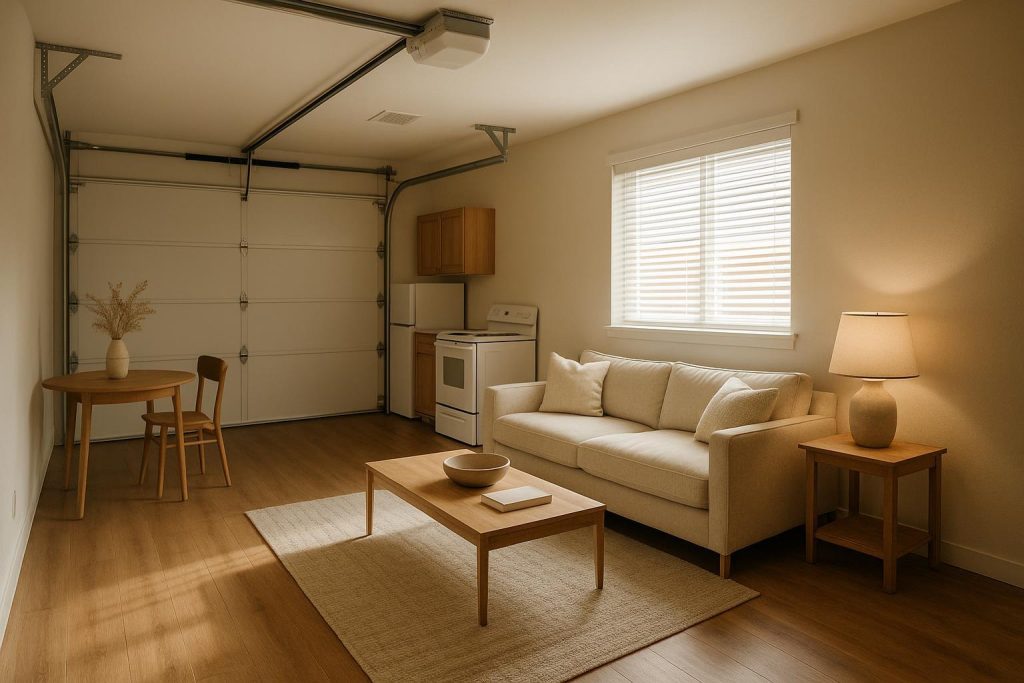
Considerations Before Converting Your Garage into a Legal Suite
Converting a garage into a legal, rentable suite can be a practical way to maximize your property’s potential. Whether you’re hoping to provide comfortable accommodation for a family member or generate extra income from a tenant, a garage transformation can offer new possibilities. However, the process is more involved than clearing out a few shelves and painting the walls. From ensuring you meet local zoning regulations to creating a safe, functional living space, converting a garage into a legal suite requires thoughtful planning.
1. Understand Your Local Regulations
The first step in any garage conversion project is to understand the regulations in your region. Municipalities usually have specific rules that dictate what can and cannot be included in a secondary suite. In some jurisdictions, suites must be a certain size, have proper ventilation, and include essential amenities like a kitchen and bathroom—all structured according to local building codes.
In cities like Edmonton, AB, particular bylaws guide homeowners who want to create a legal suite. These rules might address parking requirements, the minimum ceiling height, fire safety measures, access points, and more. Likewise, certain neighborhoods have additional restrictions on lot coverage or how many suites can be built on a single property. A vital aspect of the process is being 100% certain that your intended project meets these regulations. Consulting your municipal government’s planning and zoning department is an ideal way to begin.
2. Permitting and Zoning Requirements
Before you can convert your garage into a legal suite, you’ll need to secure building permits. Typically, this involves submitting a set of drawings or detailed plans that demonstrate your plan for the structure. These drawings must show:
- Layout of the Suite: Indicate where the kitchen, bedroom, bathroom, and living areas will be. Ensure there are sufficient windows and proper entrances/exits.
- Plumbing and Electrical Systems: Permit offices often require you to outline how you plan to route water, drains, and electrical systems. In a garage conversion, you may need to connect these services from your main home’s lines or establish new lines to the suite.
- Mechanical and HVAC Plans: Heating, ventilation, and cooling systems must meet local code, ensuring fresh air and comfortable temperatures. You might need a separate furnace or heater for the new unit, depending on the size of the space and the city’s regulations.
- Fire Safety Measures: Any new suite must incorporate smoke detectors, carbon monoxide detectors, and fire separation measures, such as fire-rated drywall, properly installed doors, and egress windows.
Your local planning or development office will evaluate these plans, making sure they adhere to zoning guidelines. They’ll confirm that the project is in compliance with permissible suite types—some municipalities don’t allow new suites unless the property meets specific size or location criteria.
3. Assessing the Structural Integrity
Not all garages are suitable for conversion as-is. It’s essential to determine if the existing foundation, walls, and roof are structurally sound enough to support a full-time living environment. An older detached garage, for instance, might need reinforcement or additional work to meet code. This can include upgrading the concrete slab to support new interior walls or insulating and drywalling the existing framing.
Consider whether your garage has suitable headroom: building codes generally require a minimum ceiling height for living spaces—often around 7 feet or more. If the roof is too low or the floor is uneven, you may need to perform structural modifications to raise the ceiling or level the slab. Such adjustments can be time-intensive and add to your budget. Consulting a structural engineer or an experienced renovation contractor can be a worthwhile investment to evaluate the feasibility and potential costs before you commit to the project.
4. Installing Proper Insulation and Utilities
A standard garage is typically uninsulated, designed primarily to protect vehicles from the elements. When converting a garage into a legal suite, insulation and climate control are crucial. You’ll need to insulate the exterior walls, sometimes add insulation to the ceiling, and possibly pour an insulated subfloor. Proper weatherproofing keeps the space comfortable and helps maintain energy efficiency—both important for a year-round residence.
Likewise, you’ll need to integrate essential utilities: water, electricity, and sewage. Running plumbing lines from your main home to the garage can be straightforward if the structures are close together, but if they’re situated far apart on the property, this can be more complicated and costly. Electrical systems generally need to be updated or expanded to handle the additional load of a new suite, especially if you plan to install kitchen appliances and modern lighting features.
5. Prioritizing Comfort and Layout
Space is limited in many garages, so designing a functional layout is a top priority. Think carefully about how the interior is divided, where you’ll place the bathroom, kitchen, and sleeping areas. If you’d like to make the most of a compact space, consider an open-concept layout that combines the kitchen, dining, and living areas. A small loft might also be possible if your garage has enough ceiling height, providing an extra bedroom or storage area.
You’ll want to include sufficient lighting—both natural and artificial. Windows and skylights can brighten the interior while also providing the ventilation required in many building codes. Always keep user comfort in mind. Features like in-floor heating, well-insulated walls, and carefully placed windows can make even a small studio-like space feel inviting and cozy.
6. Accounting for Cost and Return on Investment
Costs for converting a garage into a legal suite vary widely, depending on factors like location, garage size, quality of finishes, and the condition of your existing building. In some cases, a straightforward remodel may be enough, but if you need significant structural work and brand-new plumbing lines, prepare for a higher bill. That said, a well-executed conversion can add value to your property, make your home more versatile, and potentially generate additional rental income.
Many homeowners find that the monthly rental streams from a suite help offset the initial renovation expenses over time. It’s still critical to create a detailed budget in advance. By laying out costs for permitting, materials, labor, and contingency for unexpected surprises, you’ll have a clearer picture of what’s feasible—and where you may want to invest a bit more for quality and longevity.
7. Steps to Navigate the Process Smoothly
Tackling a garage-to-suite project can be complex, but breaking it down into actionable steps helps streamline the process:
- Research Your Municipal Regulations: Confirm that it’s legal to add a secondary suite to your property. Note the zoning requirements, building code guidelines, and any local ordinances you need to respect.
- Consult Professionals Early: Work with a reputable renovation contractor or design-build team. They can assess the building, provide cost estimates, and guide you through a realistic timeline.
- Draft a Comprehensive Plan: A robust layout and design drawing can save you from future headaches and rejections. Show exactly how you plan to handle plumbing, electrical, and other utilities.
- Acquire Permits: Submit your plans to the city for review. It may take several weeks or longer, so factor that time into your overall schedule. Be prepared to revise your plans if the city requests changes.
- Stay in Communication: Keep track of inspections and maintain open communication with contractors and city officials. Address any issues promptly so they don’t stall progress.
- Focus on Safety and Comfort: Invest in quality insulation, proper HVAC, and fire safety systems—these are non-negotiable for a living space.
- Plan Your Interiors Thoughtfully: Define how you’ll incorporate storage, ensure adequate lighting, and select durable finishes that will stand up to daily wear and tear.
8. Hiring the Right Team
One of the most impactful decisions you can make is hiring a knowledgeable, reputable contractor who is familiar with both local regulations and modern design strategies. The right team will approach your project as a custom renovation, ensuring that your new suite meets your needs and respects your vision for the space.
A skilled renovation contractor can also help you anticipate potential pitfalls early, such as outdated plumbing lines or substandard framing. This proactive approach often saves you money in the long run by preventing costly mistakes. Moreover, a reliable contractor will coordinate any required subcontractors—like electricians, plumbers, or HVAC specialists—to keep the project running smoothly.
If you’re based in Edmonton or the surrounding area, consider contacting Awlridge Renovations for a free in-home consultation. This type of consultation can help you clarify the scope of work, identify any structural challenges, and get an accurate estimate before moving forward. Another benefit is partnering with a company that offers design-centered renovations, transparent pricing, and an in-house design team—ensuring that the final living space is both functional and visually appealing.
9. Potential Benefits and Long-Term Looks
A legal suite adds flexibility to your home. Perhaps you’d like an independent space for your adult children or elderly parents. Or maybe you’re eager to supplement your income by renting the suite to a tenant or short-term renter. In either scenario, a garage-turned-suite can become a comfortable dwelling that blends seamlessly with the rest of your property—provided the exterior design matches the home’s existing architecture and the interior layout is well-planned.
Your property’s total value may increase as well, given that many buyers appreciate a fully permitted secondary living space. When it comes time to sell, having a legal suite can be a major selling point. This added functionality, combined with the reassurance that the suite is up to code, often appeals to prospective homeowners looking for ways to offset mortgage costs or accommodate multi-generational living arrangements.
10. Planning for the Future
Even if you don’t currently need the extra space, converting your garage into a legal suite can be a wise investment for the future. Life circumstances evolve—families expand, careers change, and housing needs shift over time. It’s worth designing a suite that can serve multiple purposes so you’re prepared for whatever comes next.
Additionally, staying aware of resale value is never a bad idea. If you decide to sell down the line, you’ll have an attractive feature to highlight. Alternatively, if your family’s situation changes, you can adapt the suite for personal use—turn it into a home office, a creative studio, or a guest suite for hosting friends and relatives.
Ready to Explore What’s Possible?
Converting a garage into a legal suite is a significant undertaking that can significantly enhance the functionality of your property. From ensuring adherence to local zoning and building codes to designing a space that’s truly comfortable, the process calls for planning, diligence, and help from skilled professionals. However, the reward—a versatile living area that can bring in extra income or house family members in a delightful, code-compliant environment—often justifies the time and effort involved.
If you’re considering a custom renovation project and want to ensure that every detail is handled with care, it helps to partner with a team that understands both your vision and local requirements. You’re invited to visit Home to learn more about how an experienced renovation contractor can streamline everything from permits to final finishes.
Whether your aim is to provide a comfortable living space for loved ones or to add rental income to your monthly budget, a garage conversion could be just the solution you’ve been looking for. By focusing on proper design, code compliance, and thoughtful execution, you’ll end up with a secure and welcoming suite for years to come.