
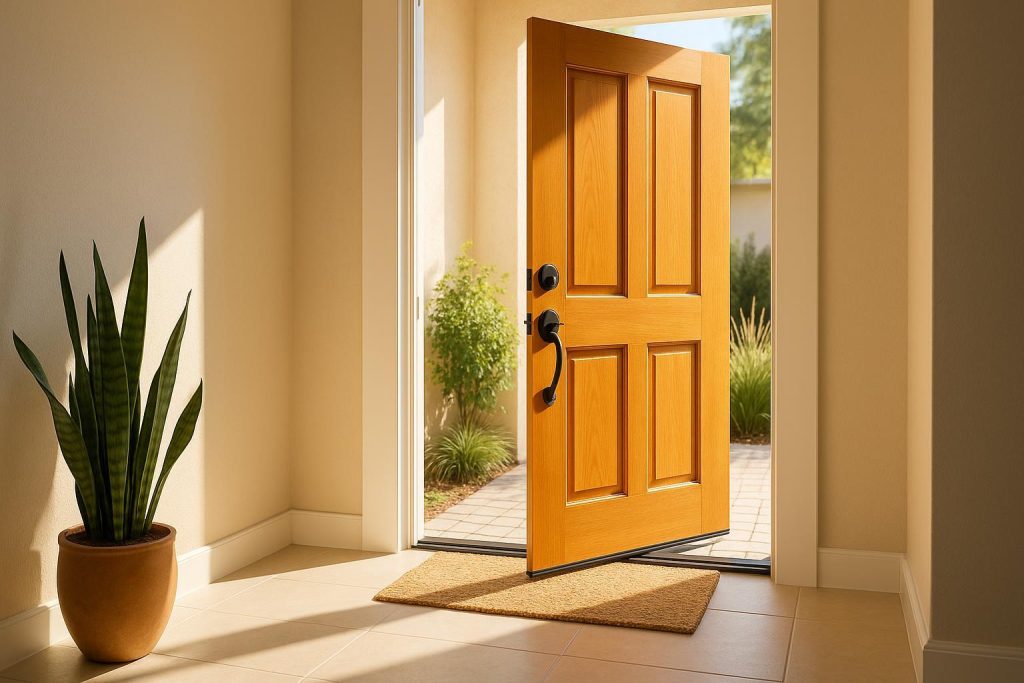
Enhancing Your Home's Comfort and Energy Savings with a New Door
When people think of improving their home's insulation and energy efficiency, many focus on upgrading attic insulation or replacing outdated windows. However, one of the most impactful yet often overlooked changes you can make involves updating your exterior doors. A new, well-insulated door can play a vital role in maintaining comfortable indoor temperatures, reducing energy costs, and enhancing your home's overall curb appeal. If you've ever wondered how a door replacement could affect your monthly utility bills or your daily comfort, the answer is that the right door can have a surprisingly large impact. Below, you'll find a comprehensive look at why doors matter, what types of materials and features are best for energy efficiency, and how to ensure your new door truly delivers the comfort and savings you deserve.
Why Doors Are Essential for Energy Efficiency
Doors serve as the gateway to your home, welcoming guests, delivering curb appeal, and, ideally, insulating your interior space from outside temperatures. When a door is old, poorly sealed, or made from thin materials, it can undermine even the best insulation in your walls or roof. Gaps around the frame, cracks in the door itself, and worn-out weatherstripping can all allow cold air in during the winter and let your air conditioning escape in the summer. Even small leaks and drafts can add up, forcing your heating or cooling system to work harder and increasing your monthly energy bills. By upgrading to a high-quality, energy-efficient door, you fortify what is sometimes the most vulnerable axis between your interior living space and the exterior environment.
Strong doors aren't just about stopping cold winter air from intruding. In the summertime, they help keep out hot, humid air, preserving your air-conditioned comfort and reducing the demands on your HVAC system. Over time, this added efficiency can translate to noticeable cost savings. Additionally, a more effective door reduces the number of times your heating and cooling unit cycles on to maintain the temperature you set. This can potentially extend the life of your HVAC system, adding even more financial benefits to a simple door upgrade.
Understanding Modern Door Insulation Technology
Today's modern doors often feature advanced insulation materials that far surpass those used several decades ago. While older doors may be little more than wood or basic metal wrapped around a small frame, modern options can include layers of foam insulation, steel skins, and fiberglass shells designed to enhance thermal performance. These newer designs focus on minimizing heat transfer, meaning they help keep warm air inside during cooler seasons and maintain a comfortable indoor environment in the summer. In many cases, fiberglass doors can be filled with a high-density polyurethane foam that acts as a powerful insulator while also providing structural integrity.
Steel doors often come with advanced coatings that boost their durability against rust and weather damage. Additionally, you'll find models that incorporate glass inserts made with low-E (low-emissivity) coatings, which reduce heat transfer. These glass inserts allow natural light to enter your home without dramatically raising indoor temperatures in the hotter months. The improved technology behind these insulated cores and coatings helps ensure that modern doors deliver consistent interior temperatures while reducing drafts, moisture infiltration, and external noise.
Importance of a Proper Seal
No matter how advanced the door materials are, an improper seal around the door frame can severely limit energy efficiency. Gaps around the edges, poorly fitted thresholds, and worn weatherstripping all allow air leaks, negating much of the benefit of an insulated door. That's why, in addition to selecting a modern, high-quality product, it's vital to pay close attention to the door's installation. A snugly fitting door with upgraded weatherstripping helps maintain a robust seal that limits airflow between indoor and outdoor spaces.
Some doors also include built-in sweeps or jamb systems designed to form a tight barrier at the bottom where drafts often sneak in. This not only keeps your home warmer or cooler (depending on the season) but also helps keep out dust, insects, and moisture. Checking the condition of your door's seal annually—particularly before extreme weather sets in—can help preserve its efficiency and longevity. Replacing worn stripping or adjusting the strike plates to improve alignment can be quick and relatively inexpensive tasks that significantly boost how well your door performs.
Materials and Features That Optimize Energy Savings
When it comes to selecting a door for maximum insulation, three primary materials tend to lead the pack: fiberglass, steel, and wood with an insulated core. Here's a closer look:
- Fiberglass: Fiberglass doors are becoming increasingly popular for their outstanding combination of durability, versatility, and insulation. Many are filled with a dense foam that helps maintain stable interior temperatures.
- Steel: Known for their strength, steel doors can also be insulated with specialized foam cores. They are often treated with protective coatings to resist corrosion, making them suitable for many climates, from humid to cool.
- Wood with Insulated Cores: Natural wood doors can be beautiful and timeless, but look for models featuring insulated cores to reduce the likelihood of heat transferring through the panel. These are typically blended with composite or steel layers for enhanced efficiency.
On top of material choice, consider additional features like low-E glass inserts, reinforced frames, or composite thresholds. Glass panels are great for letting in light, and if they are double- or triple-paned, they can be quite effective at insulating while brightening up entryways.
Signs It's Time for a Door Upgrade
Weather can be particularly punishing, especially in regions known for icy winters or scorching summers. Over time, even a high-quality door might develop weaknesses. Here are key signals that it might be time to consider replacing your home's door:
- Your door sticks or fails to close properly, indicating warping or structural damage.
- Noticeable light can be seen around the edges, suggesting leaks or gaps in the seal.
- The door panel feels cold or hot to the touch, hinting at poor insulation within the material.
- There is visible wear, such as cracks, wood rot, or significant dents.
- You detect drafts or temperature fluctuations, especially added discomfort near the door.
If you've experienced any of these issues, a new door can help minimize ongoing energy loss and make your home more comfortable. While repairs and new weatherstripping can address some problems, significant structural wear or outdated materials often require a full replacement to truly resolve efficiency concerns.
Boosting Curb Appeal and Noise Reduction
While energy savings, improved insulation, and interior comfort are often the primary reasons homeowners look at upgrading their doors, there's more to consider. A stylish new door can also boost your home's curb appeal, particularly if you choose a design that complements your home's architecture. Modern doors offer a wide range of finishes, decorative glass options, and panel designs. Instead of just having a basic entryway, you can opt for something that matches or enhances your property's aesthetic, whether that means a contemporary look, a rustic style, or something more traditional.
Another hidden benefit of upgrading to a well-insulated door is noise reduction. Thicker materials combined with protective weatherstripping help dampen external sounds before they penetrate into your living spaces. If your home faces a busy street or you simply desire a quieter ambiance, choosing a door with advanced insulation features can help create a calmer indoor environment. By cutting down unwanted noise, the home becomes a more peaceful haven for you and your family.
Combining Your Door Upgrade with Other Renovations
If you're already planning more robust exterior improvements—such as installing new siding, updating windows, or adding insulation in the walls—bundling a door replacement with these tasks can amplify each project's impact. A cohesive exterior renovation plan ensures that all parts of the building envelope work in harmony to keep interior temperatures regulated and moisture at bay. You might find that strengthening every point of entry, whether that's front doors, back patios, or even garage doors, can yield a noticeable improvement in your energy bills.
Likewise, if you anticipate selling your home, combining a new door with fresh exterior updates can elevate the property's overall appeal. Buyers appreciate move-in-ready efficiency, particularly those looking to minimize future improvements. Even if you're not considering a near-term sale, investing in both functional and aesthetic renovations can offer you the enjoyment of a cooler or warmer interior and a fresh exterior look for years to come.
The Importance of Professional Installation
While it can be tempting to save money by attempting to install a door as a DIY project, mistakes in alignment or sealing can cost you in the long run. A professional installer ensures that the door is level, the frame is properly shimmed, and all hardware is flush and functional. They also check for potential issues with your home's framing, subfloor, and thresholds that might need addressing before fitting the new door.
One of the biggest advantages of professional installation is the warranty coverage many door manufacturers provide. Warranties often require that a certified technician completes the installation to avoid voiding coverage. A professional touch not only helps you feel confident in the project's outcome but also ensures that the door you choose performs efficiently for as long as possible. A properly installed door can last for decades, retaining its insulating qualities and structural integrity if well cared for.
Cost Vs. Long-Term Benefits
Of course, any home upgrade involves a cost-benefit analysis. Well-made doors vary in price, with factors such as material, glass inserts, custom designs, and installation labor all contributing to final expenses. While a new door may be a more significant initial investment than simply adding weatherstripping to an old door, the potential for lower heating and cooling costs over time can offset these expenses. Additionally, when you factor in boosted property value, improved comfort, and potentially fewer maintenance needs, the cumulative advantage may justify a slightly higher upfront cost.
Moreover, if you opt for an energy-efficient door that meets certain environmental criteria, you may be eligible for rebates or tax incentives depending on your local regulations or utility company. These financial incentives can make your purchase more cost-effective and encourage homeowners to invest in products that benefit both the household and the environment. Always check with local professionals or government resources to see if such incentives are available where you live.
Common Concerns: Maintenance and Aesthetics
Maintenance requirements and aesthetic considerations also come into play when upgrading. Fiberglass and steel doors typically require less upkeep than purely wooden doors, which can warp or peel if not properly sealed and painted. However, wood doors remain a classic choice for many homeowners who favor their natural beauty, especially if they have an insulated core or protective layers that bolster energy efficiency. Regular cleaning, periodic inspection of hardware, and prompt attention to any cracks or warping ensure you get the most out of whichever door you choose.
Aesthetics matter because the front door is a focal point of your home's exterior. Whether you opt for a practical, modern design or an ornate traditional style, you'll want a door that balances form and function. Contemporary fiberglass doors can mimic the grain of real wood or offer sleek steel finishes that align well with modern architecture. Decorative glass inserts and side panels can also brighten entryways and make a statement without compromising efficiency, provided they come with low-E coatings or similar thermal technologies. Ultimately, choose a design that resonates with your home's unique character while meeting your durability and insulation requirements.
A Door as Part of a Bigger Renovation Journey
In many cases, a new door marks just one step in a broader home improvement process. Homeowners with older properties may also be looking at upgrading windows, updating the exterior siding, or adding extra living space. A properly selected and professionally installed door can support an overall strategy aimed at increasing efficiency and comfort throughout the home. As part of a well-executed renovation, the right door helps create a cohesive envelope that protects your interiors from the elements.
If you're exploring larger-scale renovations, it can be helpful to consult professionals who specialize in holistic approaches to remodeling. Ensuring that walls, roofs, windows, and doors all complement one another can magnify energy efficiency gains. A door upgrade might therefore be the perfect entry point—no pun intended—to an entire renovation plan that leaves you with a warmer, quieter, and more energy-conscious home.
Conclusion: Embracing Efficiency and Comfort
Making the decision to upgrade your home's door can feel like a significant step, but the rewards are compelling. From reducing drafts and hot spots to lowering your utility bills and boosting street-side appeal, a modern door transforms your day-to-day living environment. In addition, a properly installed, well-insulated door can last for many years, providing an excellent return on investment both financially and in terms of comfort.
If you're curious to learn more or want to explore design ideas for your home, visit our website for additional insights into exterior renovations. A new door equipped with insulated cores, advanced weatherstripping, and stylish finishes has the power to revolutionize your home's efficiency. Whether you're seeking relief from chilly winter drafts or scorching summer heat, upgrading to a door that fits your home's architecture and performance needs can mark the beginning of a more comfortable, cost-effective lifestyle.