
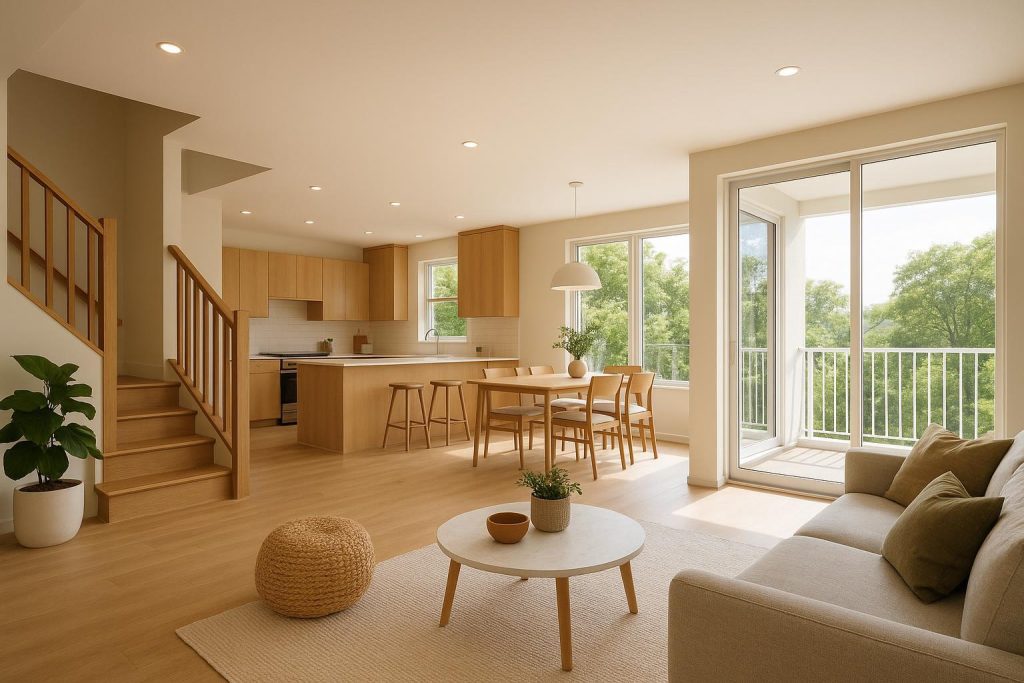
Key Considerations for Building Code Compliance in a Second-Story Open Floor Plan
Turning an upstairs space into a stunning open floor plan can dramatically transform your home’s ambiance. By removing walls or reconfiguring partitions, you can create a spacious environment that allows natural light to flourish. However, to ensure the success of your renovation, it’s essential to meet all relevant building codes and guidelines. In this expanded overview, we’ll explore the most important factors to keep in mind when navigating building codes for second-story renovations, from structural support to fire safety and energy efficiency.
Whether you’re a homeowner planning a do-it-yourself upgrade or working with a professional contractor, this guide will help you understand the critical code-related requirements you’re likely to encounter. By preparing in advance, you’ll know precisely what steps you need to take to secure permits and enjoy the peace of mind that comes with a compliant renovation project.
1) Understanding Local Building Codes and Permits
Local authorities and municipalities establish building codes to ensure all construction meets minimum health, safety, and structural standards. Because each region can have different regulations, your first step should be to contact your local building authority or consult a licensed engineer. Ask them about specific requirements for second-story open floor plans, including any particular codes pertaining to load-bearing elements, fire safety, or egress routes. In most cases, you’ll need to obtain:
- Planning Permission or Zoning Approval: This regulates how you can use your property and may include neighborhood or historical district considerations.
- Building Permits: These confirm that your renovation plans meet current construction codes. Usually, you must submit architectural drawings or engineering plans demonstrating the proposed changes.
- Inspections: After obtaining permission, an inspector will typically evaluate your work at various stages—from framing to final completion—to ensure ongoing code compliance.
Securing these approvals can take time. Factoring in potential administrative steps early in the planning process will help avoid costly delays once construction begins.
2) Evaluating Structural Stability and Load-Bearing Requirements
An open floor plan often involves removing interior walls to create a more relaxed, airy layout. However, many of those walls may be load-bearing, meaning they carry the weight of the structure above. Before taking down or altering any walls, you’ll need to:
- Work with a Structural Engineer: A professional engineer can calculate precisely how loads and stresses will move through your home when you remove or relocate walls. They can also suggest reinforcements, such as beams, posts, or upgraded joist systems, as required.
- Consider Beam Material and Sizing: Building codes often specify not just beam placement but also beam material and size. Steel beams, engineered lumber, or even wood beams reinforced with steel brackets mightbe required to handle the weight adequately.
- Review Existing Foundation Capacity: Sometimes a second-story redesign can add additional weight that transfers down to the foundation. If your current foundation is not designed for that extra load, additional structural work or upgrades may be necessary.
Once you finalize this structural plan, you can move forward with greater confidence that your new open space will remain safe and sturdy.
3) Fire Safety Considerations and Code Requirements
Safety codes for second-story open floor plans typically focus on preventing fires from spreading easily and ensuring easy evacuation in the event of an emergency. Complying with fire safety building code standards often includes:
- Appropriate Use of Fire-Rated Materials: When redesigning an upstairs space, you may need to use fire-rated sheetrock, paneling, or insulation to delay or prevent the spread of fire. Your local building authority is likely to specify the minimum fire-resistance rating these materials must meet.
- Smoke Alarms and Carbon Monoxide Detectors: Adding new rooms, hallways, or open areas can require relocating or adding new detectors. Some local codes mandate interconnected systems so that all alarms sound simultaneously if one detects smoke or carbon monoxide.
- Fire Sprinkler Systems: In some jurisdictions, building a second-story open floor plan or altering egress routes can trigger requirements to install or upgrade sprinklers. Installing sprinklers may reduce insurance premiums while offering an extra layer of protection.
- Emergency Exits and Egress: Stairwells, corridors, and exits must remain clear and up to code in a second-story renovation. If you’re modifying the existing stair layout or adding new points of entry, confirm that the new configuration still meets escape-route and handrail guidelines.
By integrating these fire safety measures from the start, you’ll create not only a stylish new living space but also a secure one that meets today’s important life-safety standards.
4) Insulation, Energy Efficiency, and Ventilation
In addition to structural and fire safety codes, many municipalities have energy efficiency regulations that apply to second-story additions and renovations. These rules can cover a wide range of items—from window upgrades to the type of insulation you install. Key aspects to keep in mind include:
- Insulation Requirements: Some building codes specify that walls, roofs, and floors must have a certain R-value (a measure of thermal resistance). An insulated open floor plan upstairs helps reduce heat transfer, maintain a comfortable indoor environment, and avoid excessive reliance on heating and cooling systems.
- Window and Door Upgrades: When creating an open layout, there might be a desire for larger windows or glass doors to let in more light. However, these must typically meet specific energy ratings or U-values set by local guidelines. High-quality windows can drastically reduce heat loss and condensation.
- Efficient HVAC and Ventilation: With a more expansive space, your home’s airflow dynamics may change. It’s crucial that heating, ventilation, and air conditioning (HVAC) ducts and vents are properly sized and placed for consistent temperatures throughout the new open space. Sufficient ventilation also promotes good indoor air quality, reducing the risk of mold and moisture issues.
Investing in efficient materials and systems not only helps you meet regulations but also can lower utility bills in the long run—an added benefit of doing things right up front.
5) Balancing Design Aesthetics with Building Code Compliance
Creating an appealing open layout is often the driving motivation behind a second-story renovation. You might want an expansive primary bedroom suite, a bright loft area, or a multi-functional shared space for work and relaxation. Whatever your design goals, code compliance remains a critical factor that you’ll need to balance with your aesthetic vision. Here are a few suggestions to keep in mind:
- Plan Early: Decide where beams, posts, and supports will be visible so you can incorporate them into the design rather than trying to hide them as an afterthought. This allows structural elements to become part of the visual appeal if desired.
- Consider Soundproofing: With open designs, noise can travel more easily. While not typically a strict code requirement, adding sound-dampening insulation or investing in specialized acoustic treatments is often worth considering for comfort.
- Use Creative Flooring Solutions: Floating or suspended floors that meet local code requirements can add an interesting visual element and help minimize noise transfer. Make sure you consult with a professional before installing any alternative flooring system.
- Explore Flexible Partitions: If you want an open feel but occasionally need privacy, consider movable walls, sliding doors, or large barn door features that comply with egress and ventilation requirements but still provide flexibility in how you use the space.
Striking a balance between creativity and code requirements paves the way for a second-story open floor plan that is both functional and eye-catching.
6) Working with Licensed Professionals
Given the potential complexity of codes, structural concerns, and design choices, most homeowners find it beneficial to work closely with professionals. These experts offer specialized knowledge in diverse areas:
- Architects and Designers: They will incorporate your design preferences while ensuring that the proposed layout stays within code limits. They often work in tandem with engineers to make sure the plan is structurally feasible.
- Structural Engineers: Specialists who calculate loads, select appropriate materials, and ensure that each beam, joist, or post is placed correctly. Their stamp of approval on renovation plans is often mandatory for permit approval.
- General Contractors: Experienced contractors coordinate the entire project—from pulling permits to scheduling inspections. They understand the local building code landscape, ensuring that construction moves forward smoothly and passes each checkpoint.
While it may be tempting to save money by tackling portions of the renovation yourself, incorrectly removing a load-bearing wall or skipping essential code steps could lead to major complications down the road. A licensed, reputable professional can help avoid these pitfalls and keep your project on track.
7) Ensuring Smooth Permit and Inspection Processes
The permitting process can require detailed drawings, engineering calculations, and clarifications. After these construction plans get the green light, your local building authority will schedule inspections at key phases, such as:
- Framing Inspection: Ensures all structural elements like beams, posts, and joists are installed correctly and comply with the submitted plans.
- Mechanical / Electrical / Plumbing (MEP) Inspection: Checks that HVAC, electrical, and plumbing work meet code before you enclose floors or walls.
- Insulation Inspection: Confirms the insulation thickness, R-values, and installation method are in line with local energy regulations.
- Final Inspection: The inspector reviews the completed space, confirming that it matches the approved plans and meets general safety standards.
Each successful inspection moves your project one step closer to completion. If an inspection reveals items that need correction, your inspector will typically provide guidance on exactly what must be fixed to move forward. Keep thorough records of all communications and staged approvals for your own reference in case you decide to sell your home in the future.
8) Budgeting for Compliance Costs
Renovating a second-story space to achieve an open floor plan can be a significant financial investment. While design elements like upgraded finishes and high-end flooring certainly contribute to your budget, code compliance can also affect overall costs. Prepare for potential expenses related to:
- Engineering and Design Consultations: The expertise of licensed professionals is invaluable when it comes to avoiding mistakes and meeting local regulations.
- Permit and Application Fees: These vary by region, but typically are due at multiple stages—particularly if you have to resubmit revised plans.
- Material Upgrades: Choosing fire-rated drywall, specialized insulation, or additional structural supports may add to material and labor costs.
- Inspection Fees: Some jurisdictions charge for each inspection visit, especially if re-inspections are required when changes are made.
These compliance-related elements protect both your investment and the safety of occupants. Plan your budget realistically, incorporating an appropriate contingency fund to address unexpected findings or adjustments that might arise once construction begins.
9) Planning for the Long-Term Value
While meticulous attention to building codes and structural requirements might feel somewhat tedious, it plays a crucial role in the long-term success of your renovation. Projects that adhere to local regulations will:
- Maintain or Increase Property Value: When it’s time to sell or refinance, potential buyers and lenders will see value in a property that clearly meets code and has undergone relevant inspections.
- Reduce Maintenance and Repair Costs: Correctly installed beams, robust insulation, and well-designed egress routes reduce the risk of future problems and expensive fixes.
- Help Ensure Your Family’s Safety: Whenever you build or remodel, safeguarding the well-being of occupants is the top priority. Code compliance is central to preventing accidents, fire hazards, and structural failures.
- Allow for Future Upgrades: A second-story layout that already meets current codes often provides a more flexible base for any subsequent renovations you might consider.
By carefully integrating code requirements into the design phase, you’ll enjoy both peace of mind and a more valuable home in the years ahead.
10) Getting Started on Your Renovation Journey
Adding a second-story open floor plan can bring a breath of fresh air to any home, improving its layout, functionality, and aesthetic appeal. Before leaping into demolition, though, remember to
- Investigate local building codes and gather all necessary permits.
- Assess structural components and incorporate required supports.
- Plan for critical safety features, from fire-rated materials to upgraded detection systems.
- Include energy efficiency measures to keep the space well-insulated and cost-effective.
- Consult with licensed professionals—structural engineers, architects, and contractors—for guidance.
While the process requires thoughtful preparation, the result of a code-compliant, open, and inviting second-story living area can be truly transformative. For homeowners in need of design inspiration or hands-on support, a consultation with a trusted renovation team can offer practical guidance on everything from code specifications to finishing touches.
If you are curious about next steps or want expert help, consider reaching out to a professional who understands local guidelines and best practices. When you have questions related to second-story additions, you can always explore more information on Home, where you’ll find insights on various renovation projects, from open-floor layouts to comprehensive whole-home remodels. With the right planning and professional assistance, your new second-story open floor plan can be both visually impressive and safely up to code.