
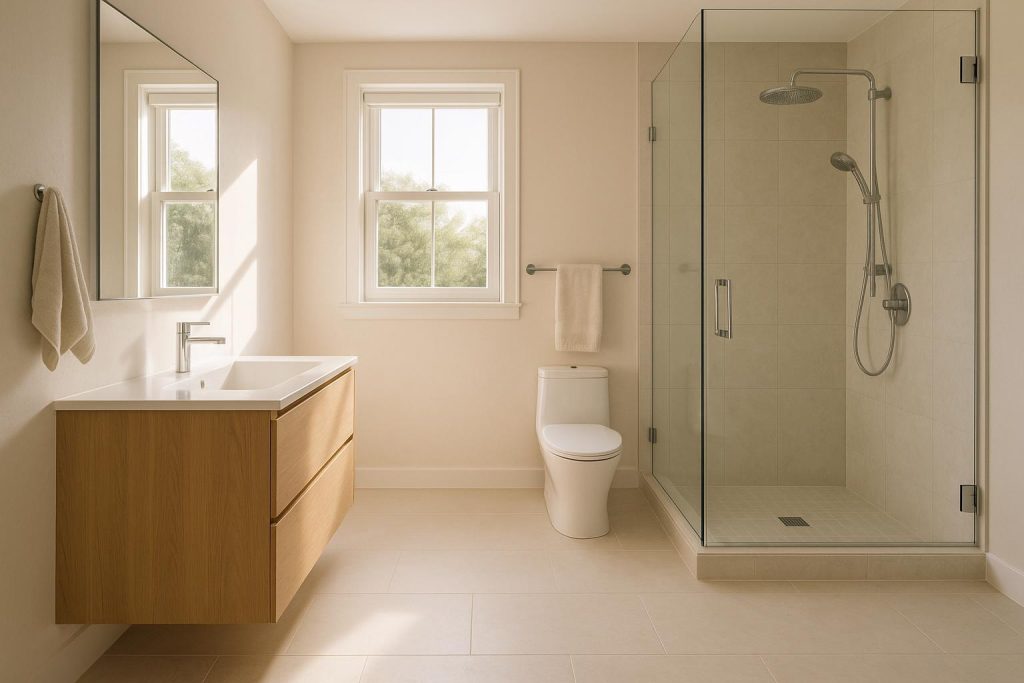
Understanding Bathroom Requirements for a Legal Suite
Building a legal suite—whether it’s in your basement, above a garage, or part of a home addition—can be a fantastic way to add value and flexibility to your property. A key component of any legal suite is its bathroom, which often involves specific regulations and requirements to meet local safety and building codes. Below, we’ll explore the most important elements to consider when planning or upgrading a bathroom for a legal suite. This guidance can help you create a comfortable, code-compliant space that benefits both current occupants and future tenants.
1. Key Code Requirements for a Legal Suite Bathroom
Legal suites are governed by local building codes, zoning regulations, and potential health and safety bylaws. Requirements vary depending on your municipality, so the first step is to consult your local authorities or a knowledgeable professional in your area. That said, some broadly recognized aspects to be mindful of include:
- Minimum Ceiling Height: In many jurisdictions, a legal suite must have a minimum ceiling height for finished rooms, including the bathroom. Typically, you might see around 6’8” to 7’ as a minimum, although it can differ by region.
- Proper Ventilation: Bathrooms in legal suites typically require suitable ventilation via a fan or an operable window. Proper venting helps minimize moisture buildup, protects finishes, and maintains a healthy environment for occupants.
- Location of Plumbing Fixtures: If you’re designing the bathroom in a basement suite, it’s crucial to ensure the drainage lines, fixture locations, and water supply follow plumbing codes. This might involve installing a macerating toilet system or a sewage-ejector pump if the existing drainage lines are higher than your basement’s floor slab.
- Waterproofing and Moisture Control: In a bathroom, having robust moisture barriers, sealed flooring, and adequately protected walls (especially in shower or tub areas) is essential to meet code and protect against water damage. A poorly waterproofed bathroom can cause mold or structural damage over time.
- Emergency Egress in Adjacent Rooms: While the bathroom itself may not require an egress window, the suite’s living and sleeping areas usually do. Make sure you understand how egress requirements impact where the bathroom can be located within the suite’s layout.
Staying informed about your local building code is vital. Meeting these requirements ensures the suite is kept legal and safe for all occupants.
2. Bathroom Fixture Essentials
Another part of planning for a legal suite bathroom is ensuring you have the necessary fixtures. Code requires certain plumbing features to classify your suite as fully habitable, usually including:
- Toilet: A standard flushing toilet is required for any legal suite bathroom. Ensure the design of your plumbing system accommodates wherever you plan to install the toilet—especially if your suite is in the basement, where gravity drainage might be an issue.
- Sink/Vanity: Every bathroom needs a dedicated sink. Consider a vanity that maximizes storage for tenants, offering useful space without crowding the layout.
- Bathtub or Shower: Most local codes require a bathing fixture—either a tub, shower, or a combination of both. A recessed stand-up shower or tub/shower combo can work well in smaller footprints, and keeping moisture protection in mind is crucial.
Depending on local regulations, it may be possible for a legal suite to feature a three-piece bathroom (toilet, sink, shower) instead of a tub. Confirm with municipal guidelines to see what’s allowable when you’re finalizing plans.
3. Layout Considerations for Comfort and Accessibility
While adhering to basic legal requirements is critical, you’ll also want to create a comfortable, user-friendly space for current and prospective occupants. Here are some considerations for optimizing your bathroom layout:
- Adequate Floor Space: Legal suite bathrooms are often smaller, so you have to make effective use of every square inch. A good rule of thumb is to allow at least 30 inches of clear floor space in front of toilets, showers, and sinks so people can move comfortably.
- Accessible Doorways: If you aim to make the suite suitable for individuals with mobility issues, wider doorways (around 32 to 36 inches) might be required. Additionally, consider whether a pocket door or outward-swinging door can save space where clearance is tight.
- Shower Bench or Grab Bars: Even if not strictly required by code, adding features like a built-in or foldable shower bench and grab bars can make the bathroom safer and more comfortable, especially if you anticipate hosting older occupants or anyone with mobility concerns.
Balancing code compliance with thoughtful design ensures you create a suite that feels more like a welcoming home than a cramped afterthought.
4. Importance of Bathroom Ventilation and Air Quality
Bathrooms are exposed to constant humidity due to bathing and showering, so proper ventilation is a must to maintain indoor air quality and prevent mold or mildew growth. In many regions, building codes explicitly mandate that bathrooms have either a functioning exhaust fan vented to the exterior or an operable window. If your goal is to keep the suite entirely self-contained—especially when it’s a basement suite—an exhaust fan is practically non-negotiable. Some points to consider:
- Exhaust Fan Sizing: The exhaust fan should match the bathroom’s size in cubic feet, measured in cubic feet per minute (CFM). Local codes may specify a minimum CFM rating.
- Routing and Insulation: Make sure the fan duct leads directly to the outside of the home to avoid dumping moist air into an attic or crawl space. Using insulated ducting will help prevent condensation inside the duct.
- Humidity Sensors and Timers: Adding upgraded controls, like humidity sensors or automatic timers, can maintain air quality without relying on memory alone to switch off the fan.
5. Electrical and Lighting Requirements
The electrical setup in a suite bathroom must also comply with code standards—even more so if you’re installing fixtures in damp or wet areas. Key electrical considerations usually include:
- GFCI Outlets: A Ground Fault Circuit Interrupter (GFCI) outlet is required near water sources to shut off electricity quickly if a ground fault occurs.
- Lighting Placement and Protection: Lighting near a shower or bathtub may need to be enclosed or moisture-rated, ensuring safety from electrical hazards. Additionally, code may require a sufficient number of lumens for a bathroom environment, especially around mirrors.
Proper wiring and lighting not only keep the suite up to code but also enhance accessibility, safety, and the overall ambiance of the space.
6. Plumbing Infrastructure and Maintenance Tips
Beyond ensuring code compliance for your bathroom, reliable plumbing infrastructure is essential for long-term functionality. Here are a few tips related to plumbing and ongoing upkeep:
- Choose Durable Materials: Opt for corrosion-resistant pipes and valves that stand up to everyday wear. This makes a big difference, especially in a busy rental suite.
- Consider Water Efficiency: Local regulations often encourage water-saving fixtures like low-flow toilets, faucets, and showerheads. These upgrades can help reduce overall utility costs and are also popular with eco-conscious tenants.
- Preventive Maintenance: Scheduling routine checks for water supply lines, drains, and fixture seals helps prevent small problems from escalating. Educate potential renters about using strainers in drains or avoiding disposal of certain substances to keep the plumbing system healthy.
7. Fire Safety Measures for the Suite
Although bathroom-specific fire code requirements might be minimal, legal suites generally must adhere to fire separation protocols between the main dwelling and the suite. For instance, shared walls and ceilings frequently require fire-rated drywall and proper insulation. Doors connecting a suite and the main home may require a specific fire rating. How does that tie into the bathroom? If your bathroom shares walls with a main living area, ensure those walls effectively maintain the required fire separation properties.
8. Planning for Natural Light
While not always required, incorporating natural light into any bathroom can vastly improve comfort. Some municipalities might allow or require an operable window for ventilation and light. If you prefer to rely on a fan for ventilation, consider a frosted or modestly sized window for a bit of natural light—this can help the bathroom feel larger and more welcoming.
9. The Role of Professional Guidance
Since regulations differ across provinces, states, or cities, navigating the exact rules on your own can be tricky. That’s why many homeowners lean on the expertise of professional designers, contractors, or experienced renovation teams for their suite bathrooms. Professionals can help you:
- Develop a layout that maximizes space, practicality, and comfort.
- Ensure your designs comply with current local building codes and bylaws.
- Recommend high-quality, water-efficient fixtures suitable for a rental environment.
- Avoid unexpected issues with plumbing, ventilation, or fire-separation regulations.
By enlisting expert insight, you can reduce stress and stay on budget while establishing a carefully planned, code-compliant suite bathroom.
10. Preparing for Inspections
Once the bathroom construction or remodel is completed, local building authorities typically conduct inspections to confirm code compliance. These might occur at different stages (e.g., rough-in and final inspection). You’ll want to ensure:
- All permits are in order and easily accessible.
- The bathroom fixtures are correctly installed with no leaks or wiring issues.
- The flooring, walls, and ventilation systems align with local requirements.
Gaining approval for the bathroom is a major step toward having the entire suite recognized as legal, making it eligible for rental income or serving as a comfortable living space for extended family.
11. Making Your Legal Suite Bathroom Stand Out
Beyond meeting the fundamental requirements, a well-designed bathroom can enhance the overall appeal of your suite. Consider a few upgrades for long-term quality:
- Quality Finishes: Durable, easy-to-clean surfaces—like porcelain tile or water-resistant luxury vinyl—can help your bathroom look polished and limit maintenance. Also, choosing moisture-resistant paint for your walls is a must.
- Smart Storage Solutions: Compact bathroom layouts need strategic storage. Recessed shelves in the shower, a mirrored medicine cabinet, or floating shelves can increase functionality while maintaining a streamlined look.
- Enhanced Lighting: Incorporate layered lighting with vanity lights around the mirror, overhead fixtures, and even accent lights to make the space feel open and inviting. Good lighting enhances daily routines and helps reflect an aesthetic and functional design.
- Neutral Color Palettes: Especially if you’re planning to rent or resell in the future, neutral tones on walls, floor tiles, and fixtures make the space more universally appealing. It also makes it simpler for you or tenants to add pops of color through textiles and décor.
Final Thoughts
Ensuring a legal suite’s bathroom meets (or exceeds) code requirements is not just about ticking a box. It’s about creating a safe, comfortable environment for whoever occupies the space. Addressing elements like appropriate plumbing, ventilation, waterproofing, and design helps safeguard your property investment and boosts the quality of life for tenants or family members who call the suite home.
Involving professional renovators or code-savvy designers can help demystify local regulations, streamline construction, and ensure your suite upgrade—or initial build—stays compliant from day one. Whether you’re installing a brand-new bathroom in a freshly completed basement suite or remodeling an existing one for legal status, attention to the specific requirements of your zone and municipality is key. By prioritizing code compliance alongside thoughtful design, your legal suite bathroom can be both functional and welcoming for years to come.