
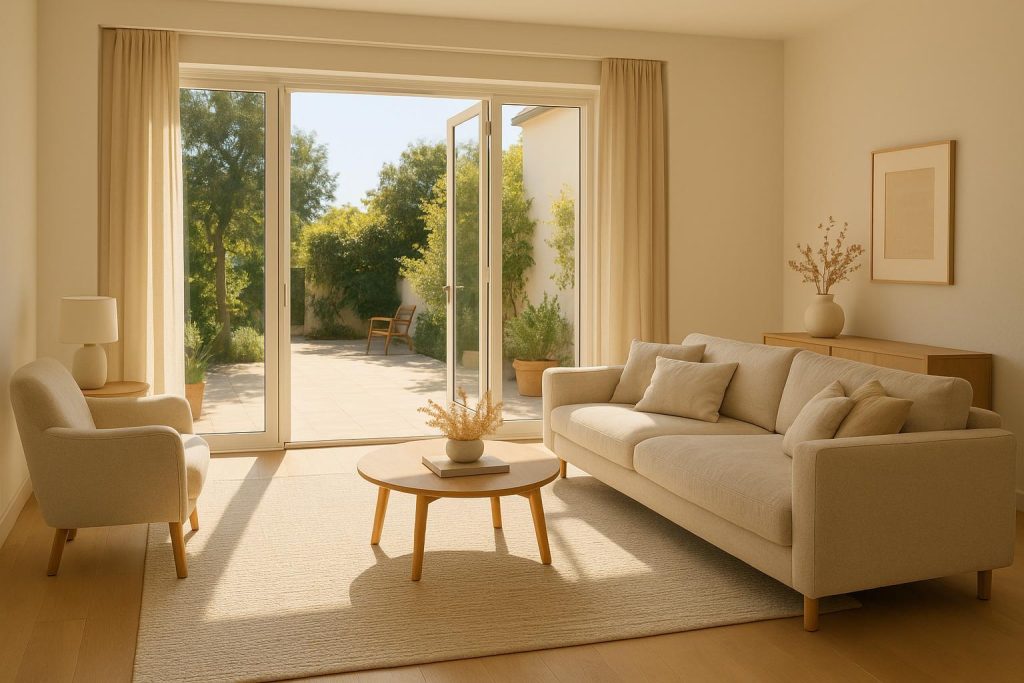
Choosing the Right Patio Door for Energy Efficiency: Slide vs. Swing
Deciding between a sliding patio door and a swing (hinged) patio door is an important step when you want to improve your home’s overall energy efficiency and comfort. While both types of doors aim to reduce heat loss or unwanted drafts, the design and installation strategies differ. In this article, we’ll explore crucial factors—such as materials, climate considerations, installation techniques, and maintenance tips—to help you choose between a slide or swing design for your patio entrance.
We’ll discuss how modern features, like double or triple-pane glass and well-fitted weatherstripping, can make a tangible difference in lowering heating and cooling costs. Keep in mind that the door style that maximizes your home’s efficiency often depends on your local climate, usage patterns, available space, and even your home’s architectural style. Ultimately, whether you lean toward a tight-sealing swing door or a sleek sliding system, proper installation and regular upkeep remain critical for maintaining top-notch performance long after your renovation is complete.
Understanding Patio Door Energy Efficiency
Energy efficiency in a patio door centers on preventing warm or cool air from escaping your interior. If your home’s HVAC system needs to work harder because conditioned air is leaking outside, you end up spending more on utility bills. A well-chosen and properly installed door not only helps control energy costs but can also maintain a comfortable indoor environment.
Consider these four main contributors to patio door energy efficiency:
- Glazing: Factors such as double or triple-pane glass, low-E coatings, and argon gas fills affect insulation.
- Frame material: Wood, fiberglass, and vinyl frames each have unique insulating properties.
- Weatherstripping: Well-positioned weatherstrips help to reduce air leaks around the door perimeter.
- Installation: Even the highest-performing materials can underdeliver if the installation leaves gaps or misalignments.
Slide Doors: Space-Saving and Evolving Technology
Sliding patio doors have seen significant innovation over the years. Older sliding door systems sometimes gained a reputation for poorer sealing capabilities, leading to drafts. However, modern sliding doors employ improved track designs and reinforced frames to combat these issues.
Here are some ways sliding doors address energy efficiency concerns:
- Advanced track technology: Innovative roller and track designs ensure smooth door operation and tighter seals. Less play in the hardware means fewer gaps for unwanted air transfer.
- Multi-pane glass: Many contemporary sliders include double or even triple-pane glass with low-E coatings. These layers insulate and guard against excessive solar heat gain, especially in warmer regions.
- Space-efficient open/close mechanism: Because the door slides horizontally, you don’t need additional room for swinging clearance, making it an excellent solution for smaller decks or patios.
- Panoramic views: Sliding doors often come in expansive styles that let in ample natural light, possibly reducing daytime lighting costs. With thoughtful insulation features, you can still maintain energy efficiency while enjoying broad outdoor views.
Sliders can be particularly appealing where space is restricted. For households in warmer climates, a well-insulated sliding door system can maintain a comfortable interior temperature by limiting the influx of outdoor heat. If your region experiences harsh winters, choosing top-tier sliding door products with robust weather seals can effectively reduce drafts.
Swing Doors: Tighter Seals and Traditional Appeal
Often called hinged doors, swing patio doors remain a classic design choice. Here’s how they can help keep energy usage in check:
- Pressure-sealing closure: When you close and latch a swing door, the slab presses against the weatherstripping. This firm contact can minimize drafts and air leaks, proving especially advantageous in colder climates.
- Various material options: Swing doors are available in wood, fiberglass, steel, vinyl, and composite. Fiberglass and vinyl doors, for example, often have insulation cores that bolster your home’s defense against temperature extremes.
- Robust thresholds: Careful attention to threshold design helps keep water and cold air at bay. A well-constructed threshold with a slight slope or proper drainage route can prevent moisture infiltration.
- Classic look: Many homeowners love the timeless, traditional aesthetic of hinged patio doors. This style can complement architectural features like crown moldings, brick, or stone exteriors.
One potential drawback is the extra clearance required when the door swings open. If you have furniture or other items near the doorway, the outward arc can become an issue. However, if you have ample space and you prefer a larger “walking path” between your indoor area and your patio, a swing door might be an ideal, energy-friendly choice.
Climate Considerations and Regional Variations
It’s wise to tailor your decision to the climate you live in. In Northern regions with harsh winters, tight seals and insulating materials are paramount. In these conditions, a well-built swing door—particularly one with layered weatherstripping—can reduce cold air incursions significantly.
In milder or predominantly warm climates, modern sliding door systems equipped with advanced glazing might offer sufficient temperature control. By blocking excess solar heat gain with low-E glass, your indoor environment stays cool, and you avoid straining your air conditioning system. In all climates, ensure your chosen door meets or exceeds local energy codes to guarantee performance and compliance.
Materials Matter: Wood, Fiberglass, Vinyl, and More
The material you choose for your new patio door greatly affects its longevity and insulation properties. Here’s an overview of some common options:
- Wood: Praised for its natural insulation and visual warmth, wood doors can be an excellent choice for energy efficiency. However, they do require regular maintenance—like repainting or staining—to avoid damage from moisture or temperature swings.
- Fiberglass: Fiberglass doors are durable, relatively low-maintenance, and often include foam insulation cores for strong thermal performance. They expand and contract less than wood, making them a reliable option in climates with wide temperature fluctuations.
- Vinyl: Known for being cost-effective and resistant to weather, vinyl frames provide decent insulation. High-quality vinyl patio doors can keep efficiency high, especially if paired with multi-pane glass. They also offer strong ROI in terms of durability and ease of care.
- Steel: Steel doors can contain foam insulation, boosting their energy-efficient properties. However, they may be prone to dents or rust if not properly maintained.
- Composite: Composite doors blend various materials (often wood fiber and synthetic resins) for a sturdy, weather-resistant finish with good insulation ratings.
Selecting a material that suits your climate and budget ensures that your patio door can handle the temperature swings and precipitation levels in your region without costly upkeep.
Achieving Optimal Energy Efficiency Through Proper Installation
No matter which door style you select, effective installation by a qualified renovation contractor is critical. Even a high-end swing door or advanced sliding system can fail to achieve its potential if not precisely installed. When comparing quotes or hiring an installer, ask about:
- Leveling and squaring: The frame must be perfectly square for the door to close and seal properly. Small misalignments can lead to heat loss, air leakage, or door jamming.
- High-quality caulking: Sealing around the perimeter of the frame with a durable, weather-resistant caulk helps block moisture and sustain interior temperatures.
- Poor sealing red flags: Look for obvious gaps, ill-fitting hardware, or flimsy thresholds. These flaws will degrade your potential energy savings.
- Professional measurement: A skilled installer will measure your doorway thoroughly to ensure a seamless fit. Customizing the door size (if necessary) can make a major difference in how well it performs.
Maintenance Tips for Preserving Energy Performance
Little steps, taken regularly, help maintain your patio door’s efficiency for years to come. Here are a few helpful tips:
- Inspect weatherstrips: Check for wear, tear, or gaps in the seals around your door. Replace damaged weatherstripping to keep the seal tight.
- Lubricate tracks or hinges: Sliding door tracks often collect dirt or debris, which can impede smooth operation. Clean them and lubricate according to the manufacturer’s instructions. For hinges on swing doors, a little lubrication prevents squeaks and rust.
- Address condensation: If you see moisture buildup between door panes, you may have a seal failure or other flaw. Promptly investigate to preserve both indoor air quality and the door’s insulating performance.
- Clean glass surfaces: Streak-free glass can help maximize the amount of natural light that streams inside, which might reduce your daytime lighting usage.
Beyond Efficiency: Aesthetics and Indoor-Outdoor Flow
When finalizing your choice between a sliding or swing patio door, energy efficiency is a sizeable factor, but it’s helpful to weigh style preferences and how you plan to use the space around the door.
Sliding doors often let you maintain a continuous flow of traffic without having to move furniture or open a door outward. Meanwhile, swing doors convey a sense of grandeur, particularly in wide double-door configurations. If you frequently entertain guests, a swing door can make an eye-catching statement as people move between your indoor and outdoor living areas.
Thinking about adding an upgraded outdoor entertaining space or reconfiguring your backyard retreat to complement a new patio door? You might find our article on whether a deck or patio is better for adding outdoor entertaining space particularly helpful.
Integrating Patio Renovations with Other Home Improvements
A new patio door can be one piece of a broader renovation strategy. For instance, in addition to upgrading your exterior facade, you might consider installing energy-efficient windows or reinforcing the wall insulation in adjacent rooms. By improving multiple energy-related components together, you enhance the consistent and comfortable environment that every homeowner desires. This approach may also pay off in the long term if you plan to sell the property and want to highlight its new energy-saving features.
Remember that investing in energy efficiency is not just about lower bills today; it’s about boosting home value, reducing your carbon footprint, and creating a space that remains comfortable year-round. Keeping an eye on design synergy—such as matching the aesthetic of your new patio door to other visible improvements—can give your home a polished, cohesive look.
Summing It Up: Slide vs. Swing
When examining the energy efficiency of patio doors, both slide and swing doors can excel under the right conditions. Let’s recap the main considerations before you make your final choice:
- Climate: Colder or more variable temperatures often benefit from hinged doors’ tighter seals. Warmer climates may benefit from modern sliding doors with low-E coatings that block heat gain.
- Materials: Wood offers natural insulation but needs more upkeep. Fiberglass, vinyl, and composite doors combine strong insulation with minimal maintenance. Each material has pros and cons in terms of durability and cost.
- Installation Quality: Flawless fitting and sealing ensures whichever door style you pick performs at its best. Even small installation gaps can undermine energy efficiency.
- Space Requirements: Sliding doors save space since they run on tracks. Swing doors need clearance but may provide a more substantial, airtight closure.
- Maintenance: Frequent inspections of seals, hinges, or tracks and glass cleaning help keep your door functioning like new.
Whether you choose a sliding door or a swing door, select high-quality materials, ensure proper installation, and stay on top of upkeep. This approach helps you enjoy a cozy, energy-efficient home—one that brings the outdoors in without letting comfortable indoor air slip out. If you’d like more inspiration on how to enhance other parts of your home, consider exploring additional renovation FAQs, such as cost-effective design ideas for creating an outdoor living space to complement your improved patio entrance.
Ultimately, striking the balance between insulation, design, and functionality will help you transform your home into a place that feels inviting in all seasons. If you have substantial questions about your specific space or need professional insights, reach out to a trusted renovation contractor who can guide you from concept to completion. By investing in the right patio door and installation strategies today, you’ll reap the rewards of improved comfort and long-term savings for years to come.