
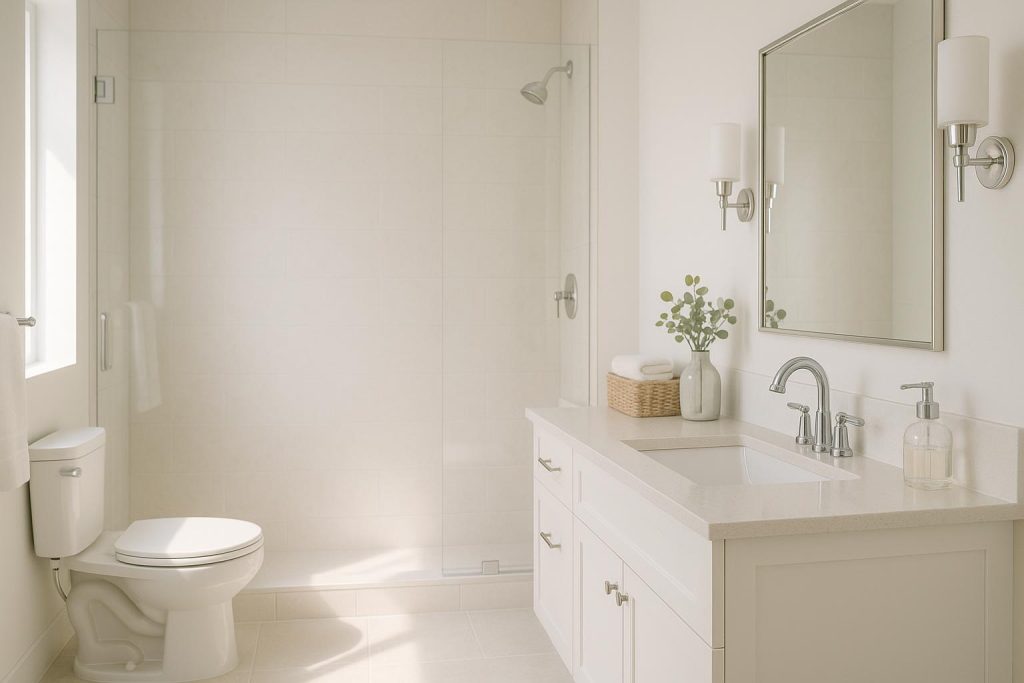
How to Avoid Tacky Bathroom Upgrades and Keep Your Space Timeless
When you embark on a bathroom remodel, it can be tempting to experiment with the latest interior design trends or to indulge in bold, eye-catching elements. After all, the bathroom is a functional space that also offers plenty of opportunities for personal expression. Yet, many homeowners discover—sometimes too late—that certain features or themes can quickly become outdated or simply clash with the overall design of their homes. This guide will explore some of the most common tacky bathroom upgrades to avoid, and it will provide insightful suggestions on how to keep your bathroom refresh looking modern, elegant, and beautifully understated for years to come.
1. Overly Themed Designs
One of the most frequent pitfalls when redesigning a bathroom is going all-in on a single theme. It’s fun to imagine a beach-inspired oasis or a mid-century diner-style powder room, but too many thematic elements can make your bathroom feel like a novelty attraction instead of a comfortable, cohesive space. Overly tropical wallpaper, mismatched shell motifs, or bold retro prints risk detracting from the room’s primary functions.
Instead, opt for subtle inclusion of a favorite theme—perhaps a single piece of wall art that embodies a style you love, or a small feature (like a decorative tile border) that evokes a particular mood. By selectively weaving in these details, you can maintain a sophisticated feeling without going overboard. Aim to pair your thematic accents with neutral wall colors, understated flooring options, and versatile decorative touches that won’t date the room within a few short years.
2. Mismatched or Outdated Fixtures
Another tacky upgrade to avoid is the use of fixtures that either don’t match each other or are visibly outdated. Brass faucets or gold-toned towel racks from the 1980s can sometimes look kitschy if they don’t blend well with the rest of your bathroom. The same is true for cheap plastic accessories that wear out quickly or clash with your other design elements. Mismatched finishes—such as combining polished stainless steel door knobs with bronze faucets—can create a disjointed impression.
To maintain a consistent style, choose fixtures carefully. Consider buying from the same collection or at least opting for finishes that harmonize across surfaces. Think about classic, enduring metals like high-quality chrome, brushed nickel, or polished nickel. These provide a modern yet timeless appeal and are less likely to feel outdated a few years down the line. Upgrading your fixtures is also one of the more budget-friendly ways to instantly give your bathroom a cohesive look without a full renovation.
3. Excessive and Clashing Patterns
Bold wallpapers, loud tiles, and statement flooring can all elevate a bathroom design—when used with restraint. The problem amplifies when multiple loud patterns are competing. Vibrant floral wallpaper, paired with geometric tile, can create a dizzying effect that quickly exhausts the eye. Patterns can be a fantastic way to convey personality in a bathroom, but you should aim to strike a balance between exciting and serene.
If you can’t resist a dramatic print or tile, consider limiting it to one accent wall or a specific partition in the shower. In smaller bathrooms especially, less is often more when it comes to intricate patterns. Breaking up intense visual elements with neutral paint on surrounding walls, or a simpler floor design, helps each chosen pattern stand out appropriately rather than clashing. The overall goal is to maintain an atmosphere that’s harmonious, easy to navigate, and relaxing—rather than overwhelming.
4. Poor Lighting Choices
Lighting can make or break the appeal of any space, and it’s especially important in bathrooms where tasks such as grooming, applying makeup, and shaving require clarity and precision. Tacky bathroom lighting might refer to a single harsh overhead bulb that casts unflattering shadows or an over-the-top chandelier that feels out of place in a modest powder room. Subpar lighting can highlight imperfections and detract from otherwise thoughtful decor.
Instead, consider layering your lighting. Combine a practical overhead fixture with adequate vanity lighting positioned at face-level on both sides of the mirror. This setup reduces shadows and ensures you can see what you’re doing. Some homeowners add a small accent light or wall sconces to enhance the mood while soaking in the tub. You can also experiment with different bulb color temperatures. Aim for lighting that feels warm and reassuring yet remains bright enough for daily tasks. Good lighting not only elevates your bathroom’s style but also promotes convenience and safety.
5. Inefficient or Overcrowded Layouts
No matter how stunning your tile selection or stylish your vanity, a bathroom that’s cramped or poorly designed will struggle to deliver lasting satisfaction. Oversized tubs, unwieldy shelving units, or awkwardly placed toilets can all make a bathroom feel crowded. This is especially true in smaller spaces such as half-baths or guest bathrooms. An inefficient layout can also reduce your home’s resale potential by discouraging prospective buyers.
Before selecting any new fixtures or cabinetry, measure your space carefully and plan how the components will work together. For instance, ensure doors and drawers open smoothly without colliding with walls or each other. If you’re uncertain, consult with a professional renovation team to learn more about best practices in bathroom design. Choosing a proper layout can significantly extend the lifespan of your new bathroom, both functionally and aesthetically.
6. Low-Quality Materials and Cabinetry
Tacky bathrooms often stand out because the materials used simply don’t hold up over time. Laminate countertops that fray at the edges, particleboard cabinets that warp from moisture, or easily scratched vanities all signal corner-cutting that quickly dates the space. Though investing in higher-quality materials can mean a higher initial cost, it will often pay dividends in durability, appearance, and overall satisfaction.
Look for solid wood cabinets or moisture-resistant finishes to help the bathroom withstand humidity. When it comes to countertops, consider proven options such as quartz, granite, or quality composites designed to repel stains and moisture. You can even explore porcelain slabs that give a high-end, uniform finish. By prioritizing both form and function, you’ll maintain a classic look that impresses guests and holds its value over time.
7. Ignoring the Power of Color Coordination
Colors that clash or are used too liberally can make a bathroom look tacky faster than nearly anything else. Vibrant shades like hot pink or neon green may be fun at first, but they can be overwhelming and difficult to pair with other elements. Random color explosions can break the visual flow of the bathroom, causing it to feel disjointed.
When choosing a color palette, think about how your bathroom design will appear a few years from now. Consider neutrals such as whites, grays, and soft earth tones for larger surfaces like walls or floors. Then, incorporate splashes of color through easily replaceable accents: towels, artwork, decorative vases, or even a unique mirror frame. Another way to find the perfect balance is to explore saturated but serene hues—like deep blues or warm beiges—that provide character without overwhelming. If you’re curious about which hues work best for bathrooms overall, you can learn more in our related post: What color is most flattering in a bathroom?
8. Skipping a Thoughtful Renovation Order
In many cases, upgrades seem tacky not because of the items themselves, but because of how disorganized or haphazardly installed they appear. Ripping out a vanity after having already replaced the flooring, for example, leaves behind patches or mismatched surfaces. A bathroom that’s remodeled in the wrong order can disrupt continuity and create a visual mismatch that feels cheap.
Planning the sequence of your bathroom renovation helps ensure consistent design and fewer costly mistakes. Start by addressing the bigger structural or plumbing concerns, then move on to the floors, walls, and fixtures in a logical progression. If you’re unsure about the best sequence of tasks, check out our resource on In what order should you do a bathroom renovation?
9. Choosing Trends Over Timelessness
The design world evolves quickly. While certain trends, like matte black hardware, may stay relevant for several years, others can fade just as quickly as they arrived. Bathrooms that rely too heavily on passing fads can appear very “of the moment,” which often translates to “outdated” a short while later.
A more timeless approach involves pairing clean lines and minimalistic details with occasional on-trend touches that can be updated conveniently. Consider classic tile shapes (like subway or hexagon), neutral paint colors, and refined hardware. The simpler your foundation, the easier it is to layer in (and swap out) décor when your preferences or design trends shift.
10. Excessively High-Maintenance Elements
A tacky bathroom can also be one that quickly looks worn because it’s too difficult to maintain. High-gloss surfaces that constantly show fingerprints, or elaborate tile mosaics that gather grime between intricate crevices, may lose their shine if you don’t stick to an intensive cleaning schedule. While glossy finishes can look glamorous in photos, consider how they’ll appear in real-life day-to-day use.
Opt for easy-to-clean surfaces, like tile with fewer grout lines or pre-treated glass shower doors that resist water spots and soap scum. Materials engineered for durability will do wonders for keeping your space looking fresh and inviting. Ultimately, a bathroom that stays clean and polished will feel more luxurious and less likely to be labeled “tacky.”
11. Neglecting Storage and Organization
Even the most gorgeous bathroom can quickly drift into tacky territory if clutter is allowed to accumulate on every surface. Skipping proper cabinetry, shelving, and storage solutions often leads to a chaotic environment, with personal items piled on the countertop or towels heaped on the floor. Disorganization detracts from both the form and function of your bathroom.
Incorporate built-in shelving in the shower area, or choose a vanity with adequate drawers and compartments to keep essentials tucked away. Vertical storage solutions, such as tall linen cabinets, are great for smaller bathrooms. Not only does an organized space look more polished, but it also helps your bathroom stand out as a calming retreat rather than an eyesore. This attention to detail can elevate an otherwise standard bathroom into a timeless getaway.
12. Overlooked Ventilation and Odor Control
Sometimes, the tackiest element of a bathroom isn’t its aesthetic at all. Poor ventilation can lead to persistent foggy mirrors, peeling paint, and mildew development—none of which will add to your bathroom’s design appeal. Choosing a cheap or inadequate exhaust fan may save a bit of money initially, but this trade-off usually comes back to haunt homeowners in the form of unpleasant odors and moisture damage.
Opt for a ventilation system that’s properly sized for the room’s square footage. Some exhaust fans also incorporate built-in lighting or humidity sensors that automatically turn the fan on when necessary. This step not only keeps mold at bay but also preserves the finishes of your bathroom, ensuring that your recent upgrades don’t quickly degrade or appear careless.
13. Maintaining a Classic Style While Adding Value
A bathroom that’s free from tacky design mistakes tends to look cleaner, more spacious, and more inviting. When choosing the upgrades that are right for your home, remember that timeless doesn’t mean boring. Subtle details, such as well-chosen lighting fixtures, quality hardware finishes, or innovative storage options, can transform your space into a serene oasis that you and your guests will appreciate. If you want to learn more about boosting your home’s value, consider exploring our resource on Which bathroom upgrades add the most value?
It’s also worth noting that an expertly renovated bathroom can make your day-to-day experience more comfortable and functional, which is particularly important if you plan to remain in your home for many years. Making smart decisions now can save you from having to re-renovate a few years later when the trendy elements have lost their novelty or started to show undue wear.
14. Working with Experts for a Polished Result
Whether your goal is a minor aesthetic refresh or a complete renovation, collaborating with experienced professionals can help you avoid the most common tacky upgrades. This doesn’t necessarily mean you’ll spend more money overall—professionals often have access to quality materials, design insights, and organizational strategies that cut down on wasted resources and time. Working with a reputable team ensures that your bathroom not only looks stellar but also meets safety and building code requirements.
At Awlridge Renovations, for instance, we believe in balancing exquisite design with efficient functionality. Our approach includes carefully planning each element of the remodel, from the choice of countertop materials to the type of lighting, so that our clients achieve a result they can enjoy long term. If you’re aiming to feel more confident and elevated in your home, it’s crucial to partner with a trustworthy renovator who listens to your vision while ensuring practical considerations are never overlooked.
15. Final Thoughts on Keeping Your Bathroom Timeless
Avoiding tacky bathroom upgrades is all about striking that perfect balance between personal expression, lasting design, and practical functionality. By steering clear of overly themed décor, out-of-sync fixtures, excessive patterns, and poor layout choices, you set the stage for a bathroom that remains elegant long after today’s trends have come and gone. Quality materials, coordinated finishes, and well-executed lighting reinforce your bathroom’s value over time. Plus, prioritizing user-friendly features—like ample storage and good ventilation—will save you from hassle and disappointment down the road.
If you’re in the process of planning a renovation and are uncertain where to begin, you can explore more tips and helpful guides, such as how to coordinate your renovation timeline or which features will yield the best long-term return on investment. Keeping your bathroom timeless ultimately comes down to mindful design choices. Whether you’re updating your powder room or revamping a master retreat, remember the power of simplicity, functionality, and cohesive style. With the right approach, your new bathroom can become a source of comfort and satisfaction for years, rather than a spot that demands frequent (and costly) upgrades.
For more ideas and inspiration on bathroom design or other home improvement projects, feel free to visit our Home page. Remember, a space that’s both beautiful and enduring is well within reach when you focus on tried-and-true design principles and materials that stand the test of time.