
The Ideal Sequence for Your Full House Renovation
When planning a full house renovation, its helpful to follow a logical sequence of steps to ensure you stay organized and minimize unnecessary costs. First, develop a clear vision of the final result. This includes creating a detailed design plan, setting a budget, and consulting with a trusted contractor to align your renovation goals with realistic timelines and expectations.
Next, look into any necessary permits or approvals before starting. Proper permits ensure that all structural modifications, plumbing work, or electrical upgrades meet local safety codes. Once youve secured these approvals, its time to move on to demolition: clearing out old furnishings, finishes, and fixtures to prepare the space. Carefully dispose of debris to keep the worksite clean and safe.
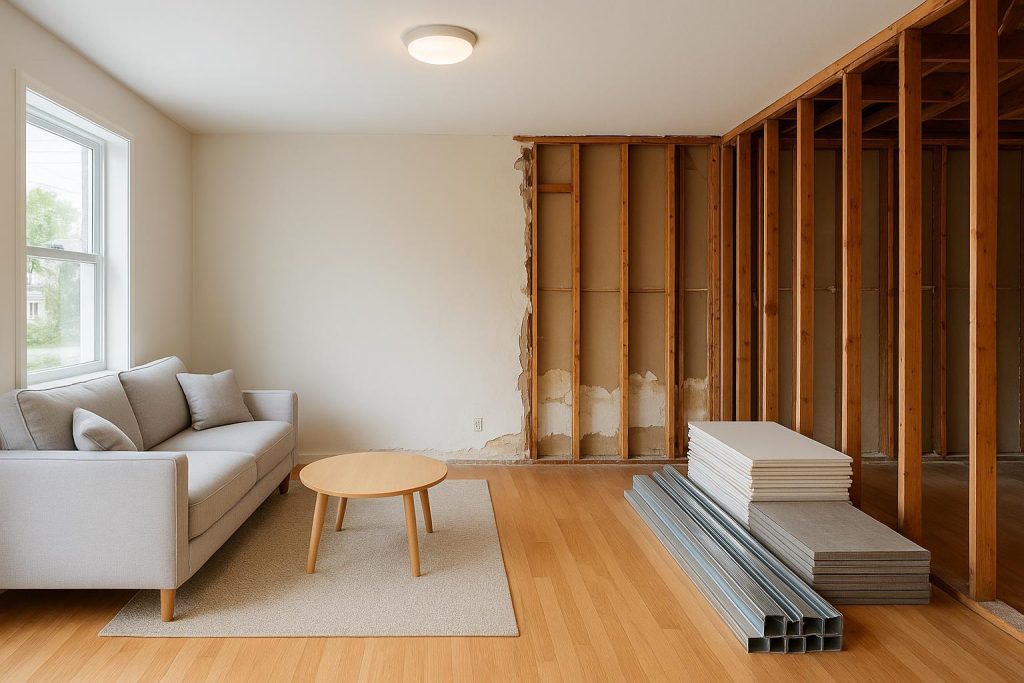
After demolition, address structural changes and framing. This stage lays the foundation for new walls, windows, or door placements. Immediately following framing, complete mechanical installations such as plumbing, electrical wiring, and HVAC upgrades. By handling these components together, youll stay efficient and avoid reopening walls later. During this phase, its also wise to install any new insulation to boost energy efficiency.
Once the mechanical and structural elements are in place, close up walls with drywall. After the drywall is hung and mudded, smooth and prime the surfaces so you can move directly into painting. A fresh coat of paint brightens the space and provides a clean canvas before bringing in flooring. Installing flooring at this stage helps limit wear and tear from subsequent work.
With walls painted and floors in, its time to focus on trim, interior doors, cabinetry, and other finishing touches. Install lighting fixtures, countertops, and final fittings in bathrooms or kitchens. Finally, conduct a thorough cleanup and make sure everything functions properly. Youll then have the opportunity to add any personal details, decorations, or furniture you envision for your newly updated space.
Following this sequence will keep your renovation organized and allow each step to build on the last. Whether youre modernizing an existing home or renovating a newly purchased property, taking a step-by-step approach will help you achieve a polished, cohesive result. For more ideas, feel free to visit our Home page to explore how a professional renovation team can guide you through this transformative process.