
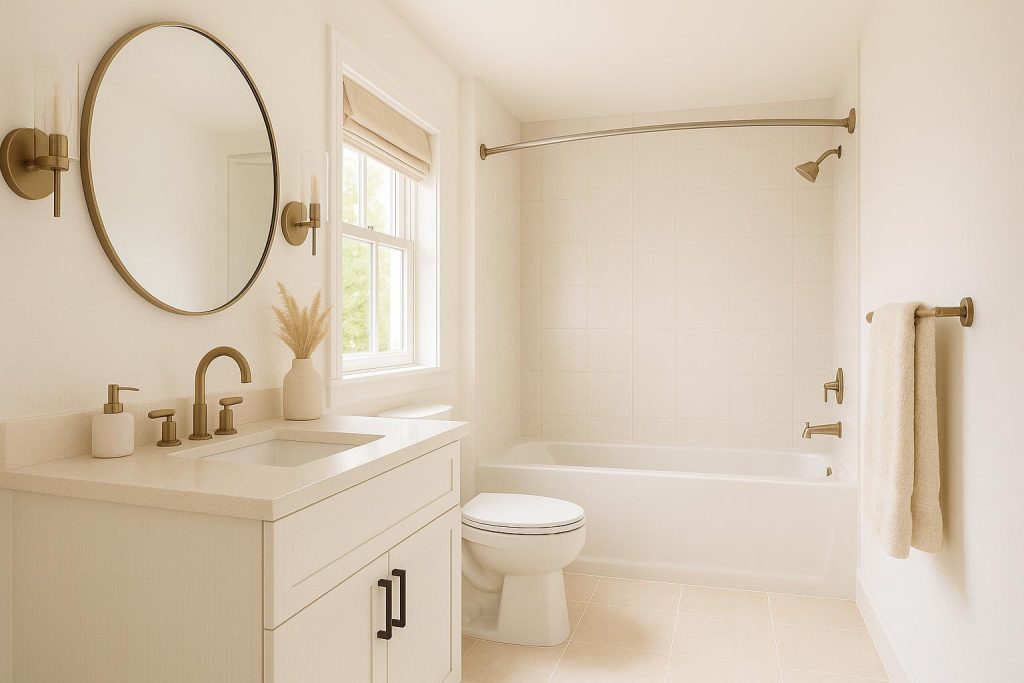
Using Light, Neutral Hues to Make Your Small Bathroom Feel Larger
Designing a small bathroom to look and feel more expansive can be a challenge. One of the most impactful strategies is to focus on a neutral color scheme, using hues that brighten the area while maintaining an inviting, tranquil atmosphere. Neutrals such as soft whites, calming grays, gentle taupes, and warm creams help reflect available light, whether from windows or artificial sources, creating an airy sense of spaciousness. This comprehensive guide dives deep into why neutrals work so well in tight bathrooms, how to select the right shades, and how to enhance their effect through layering, lighting, and accessories. You’ll also discover how neutral tones adapt to different design styles—be it modern minimalism or timeless classic—and how these same principles can be applied to other rooms in your home.
Why Neutral Colors Enlarge a Space
At first glance, choosing neutral paint or tile might seem like a safe option, but it’s actually a powerful design tool for smaller bathrooms. Lighter neutrals, especially those with soft undertones, reflect more light than richer or darker colors. When light bounces around the bathroom, shadows become less pronounced, making the walls appear to recede and visually expand. This effect works especially well in bathrooms that have minimal square footage or limited access to natural sunlight.
Additionally, neutrals have a timeless appeal. They don’t risk going out of style as quickly as bold or trend-focused colors. By investing in a neutral palette upfront, you set the stage for a bathroom you won’t need—or want—to repaint every few years. If your design tastes evolve, neutrals can readily support new accent colors in the form of updated towels, decorative pieces, or soft furnishings.
If you’re considering an entire home renovation strategy that emphasizes consistency, be sure to check out what’s the best way to use neutral tones for a cohesive whole-home renovation? That resource details how balanced hues can seamlessly unify multiple spaces while maintaining each area’s unique charm.
Selecting the Ideal Shade
Picking the right shade of neutral depends on your preferred mood and your bathroom’s existing elements. Whether you opt for a cool gray to convey a contemporary feel or a warm ivory for a welcoming vibe, the key is matching the hue to the tone of current features like your vanity, tiles, or countertop. For instance, if your vanity has warm, golden nuances in its wood grain, consider a beige or cream that subtly resonates with that patina. On the other hand, if your bathroom fixtures favor cooler undertones—perhaps brushed nickel hardware—a gray or “greige” blend can effortlessly tie everything together.
Don’t be afraid to go for whites, either. A warm white (think a white with a hint of cream or subtle yellow base) can lend a soft, comforting glow, whereas a cooler white can feel refreshed and polished in settings that welcome minimalism. If you’re eager to play with slight variations, look for pastels that are toned down. Examples include blush beige, faint sage gray, or a gentle lavender-gray blend. These can still function like neutrals in the right context, especially if the rest of the décor is understated.
Maximizing Depth Through Layering
One concern homeowners sometimes voice is that neutrals might make a space appear flat. The trick is layering. Rather than painting your walls, cabinets, and trim all the exact same shade, experiment with subtle gradients or slightly different intensities of your chosen hue. For example, you could paint the main walls in a light taupe and the crown molding or baseboards in a soft gray, creating definition without jarring contrasts. This approach gives subtle dimension to your bathroom, which in turn fosters a cohesive yet dynamic look.
Texture can add another layer of depth. If you’re working with paint, opt for a low-sheen or matte finish on the walls, contrasted by a slightly satin or semi-gloss finish on the trim for a refined look. Larger-format tiles, textured backsplashes, or unique wood grains in shelving and cabinetry can all bring personality to an otherwise simple palette. The result is a refined environment enriched by variation rather than overwhelmed by multiple bold shades.
Playing with Natural Elements
Introducing organic materials into a neutral bathroom is an excellent way to keep the space from feeling too stark. For instance, wood-look tiles or genuine wood accents can add warmth and character. If you have a wooden vanity, letting its grain gently emerge against off-white or beige walls can create a stylish focal point. Incorporate woven baskets to store toiletries, plush towels, or small decorative items as a way to break up large swaths of uninterrupted neutral paint. This synergy of organic materials and neutral surfaces can also enhance a spa-like atmosphere.
Plants are another wonderful way to introduce natural appeal. Depending on your bathroom’s ventilation and light conditions, a small potted plant or two can enliven the space without clashing with your neutral palette. Varieties like pothos, peace lily, or snake plant thrive in low-to-moderate light levels, making them suitable for bathrooms. The splash of greenery builds an inviting environment while maintaining the calm energy you’ve aimed for with neutral tones.
The Importance of Lighting
No matter how attractive your paint choices are, the wrong lighting can make your bathroom feel drab. In a small space, installing multiple layers of light is beneficial. Overhead recessed lights paired with vanity lighting can reduce harsh shadows. If you have the opportunity to reposition or tweak existing lighting, opting for adjustable LED fixtures lets you tailor brightness to different tasks—be it morning grooming or taking a relaxing evening soak. If your bathroom has a window, even a modest one, take advantage of its natural light by using frosted coverings so that sunshine filters through. This helps highlight subtle color undertones in the walls and gives an overall sense of freshness.
Don’t overlook the reflective power of mirrors. A well-placed mirror can essentially double your light sources by bouncing illumination around. Large mirrors mounted over the sink or vanity are especially impactful in smaller bathrooms. If you prefer a unique flair, mirrored cabinets or accent mirrors with slender frames can accomplish the same brightening effect. The reflection also visually amplifies your neutral walls, skying up the sense of space.
Fixtures and Accents: Small Yet Mighty Details
When people think about neutral design, they sometimes worry that the result will lack personality. Fortunately, it takes only a few creative details to infuse a space with charm. For instance, consider your faucet and hardware choices. Matte black hardware, brushed nickel, or soft gold finishes can stand out beautifully against a background of white or beige without overshadowing the room. If you want to introduce a pop of contrast, a black-framed mirror or a single dark accent shelf can do the trick.
Balance is crucial. Too many conflicting metals or accent colors in a small bathroom can undermine the soothing finesse of a neutral palette. If you pick brushed nickel faucets, try to match them with complementary drawer pulls or towel bars. For decorative items, subtlety is your friend. A single piece of framed artwork—something muted and in harmony with your main color—can become a tasteful focal point against a calm background.
One-Color Storage Solutions
When it comes to the cabinetry in a small bathroom, subtlety can be a powerful ally. If the cabinetry or shelving closely matches your wall color—say a pale gray vanity with matching walls—the vanity seems to blend into the walls. This continuity prevents the bathroom from looking segmented or cluttered, thus enhancing the sense of openness. Another strategy is installing a floating vanity that creates visual space between the floor and the cabinet itself. This slight gap can make the floor area feel larger and more navigable.
Storage shouldn’t be overlooked, especially in tight layouts. Placing neatly stacked towels on open shelves above the toilet or next to the vanity can look both functional and decorative when aligned with your overall palette. If you have tall ceilings, vertical shelving can be your best friend. By stretching your storage solutions upward, you avoid crowding the floor plan and keep essential items within easy reach. A neat, uncluttered approach also bolsters the relaxing effect that neutrals naturally impart.
Bridging the Gap Between Modern and Traditional
Neutral bathrooms can be as modern or as classic as you wish. For instance, if you love minimalist lines and a sleek aesthetic, lighter neutrals and streamlined hardware can achieve that feeling without overcomplication. If, on the other hand, you prefer a more traditional touch, consider details such as wainscoting or shaker-style cabinetry in a warm beige or creamy hue. Marble-look countertops, classic drawer pulls, or subtle moldings can bring a time-honored vibe to your space without compromising the enhancing qualities of a bright, neutral palette.
Combining styles can also work beautifully. Perhaps you pair a retro light fixture with a crisp, contemporary vanity. Because neutrals lend themselves to so many styles, you’re free to experiment with accent pieces if you maintain color consistency. Even in transitional designs, neutrals present a unifying backdrop where antique items can coexist comfortably alongside modern ones. If you’re interested in how this might apply to other parts of your home, you might find inspiration in how neutral colors contribute to a timeless look in a kitchen remodel.
Keeping Calm and Reducing Clutter
The subtlety of neutral tones encourages an atmosphere of rest and relaxation. Clutter, on the other hand, can quickly break the sense of calm. Small bathrooms often accumulate toiletries, grooming products, and cleaning supplies in cramped ways. Aim for efficient storage solutions—like organizers in drawers and cabinets—so you can keep counters and ledges mostly bare. Simple decorative elements, such as a candle or a small vase of flowers, can elevate the space without causing visual chaos.
Including an essential oil diffuser or a gently scented candle can not only keep the bathroom smelling fresh but also reinforce the spa-like feel. Scents such as lavender, eucalyptus, or chamomile mesh well with an environment designed for relaxation. By balancing your neutral color scheme with minimal clutter and a soothing scent, you produce a cohesive spa effect that makes even a petite space feel like an in-home retreat.
Using Neutrals Beyond the Bathroom
Neutral color schemes aren’t restricted to bathrooms. These same concepts can be applied to exterior renovations, basement suites, kitchens, and more. If you’re curious about giving your home exterior a revitalizing facelift, you might consult Are neutral shades a good fit for the exterior of an older home? for inspiration. Similarly, if you’re finishing a basement, you can explore which neutral paint palette is ideal for a newly finished basement suite. Each of these internal links offers guidance on how to apply a unifying yet lively color approach throughout various types of renovations.
By bringing neutrals to more than one area of your home, you can generate a coherent style that flows from room to room. Typically, it’s wise to keep an eye on undertones and finishes—if your bathroom revolves around creamy off-white tones, it might pair seamlessly with a kitchen or living room that embraces warm grays or greiges. The point is not to replicate the exact same color across every wall but to maintain subtle ties that make the entire home feel well orchestrated.
Design Tips for an Expansive Ambiance
- Limit the number of accent colors: Keep your palette centered on a few closely related neutrals. Large color jumps can shrink the visual impression of a small room.
- Lean on reflective surfaces: Mirrors, glossy shower enclosures, or glass shelves can help scatter light and expand the sense of space.
- Incorporate vertical design: Tall or elongated shapes—such as vertical shelving or extended tile layouts—draw the eye upward, adding height to the room.
- Opt for larger floor tiles: Using bigger tiles with minimal grout lines creates an illusion of continuity. This tactic works particularly well with neutral shades of tile, making the floor area look less cluttered.
- Simplify your scheme: Going overboard with patterns or too many design elements can be overwhelming. A simpler approach leaves room for focal accents that truly stand out.
Balancing Privacy with Airiness
In smaller bathrooms, you’re often juggling the need for privacy with a desire to harvest as much light as possible. One solution is to install frosted or textured glass for windows, blocking direct lines of sight while still letting sunlight stream in. Another idea is to mount a translucent curtain or blinds that can be easily raised when the space isn’t in use. By welcoming in natural brightness, you prevent a neutral scheme from looking dull or washed out, which can occasionally happen if there’s insufficient lighting.
If you lack windows entirely, focus on well-placed artificial lights and carefully chosen reflective surfaces. Keep in mind that too many high-gloss finishes can cause glare, so complement them with matte items—like a linen shower curtain or a matte tile backsplash—maintaining balance and adding visual interest. The interplay of glossy and matte surfaces can keep a small bathroom from seeming one-dimensional.
Simple Touches to Elevate Serenity
When you walk into a small bathroom painted in soft neutrals, you want to feel a sense of comfort. Small flourish details can go a long way in making that experience memorable without overpowering the design. For instance, you might introduce a plush rug in a slightly deeper tone than your walls. This layering of color variations gently anchors the floor. Sconce or pendant lighting in a brushed metal that complements the faucets can make a stylish statement, reinforcing the harmony of the space.
Artworks or decorations should echo your overall palette. A single piece featuring soft watercolors or abstract designs in neutrals can adorn a wall without making the room feel busy. Greenery—like a fresh bamboo stalk in a narrow vase—can spark a sense of renewal and tie the bathroom to the broader natural elements you might have included elsewhere in your home. The aim is always to focus on cohesive, purposeful choices that add to the restful ambiance.
Carrying the Theme Across Your Home
If you’re delighted by how neutrals have transformed your bathroom, consider extending this palette throughout other areas of your residence. Perhaps that means continuing a complementary hue in the hallway or adding a transition shade that ties your bathroom to your kitchen. If you’ve been pondering a whole-home redesign, neutrals offer a stable backdrop that you can personalize with different accent pieces or bold décor in each room. This approach is particularly appealing if you’re planning to undertake multiple renovation projects over time, as it promotes a holistic sense of unity.
Consistency doesn’t have to mean monotony. Vary the forms, textures, and finishes of your decorative elements from one room to another, but keep the underlying neutral theme intact. If you want more insight, feel free to read What’s the best way to use neutral tones for a cohesive whole-home renovation? It offers a broader view of how neutrals can serve as a unifying element across different rooms without sacrificing creativity and warmth.
Final Thoughts: A Spacious, Soothing Bathroom
Neutral color palettes excel at making a small bathroom appear bigger than it really is. By bouncing light around, reducing visual clutter, and blending fixtures and storage solutions into the background, you create an environment that feels peaceful and open. Through techniques like layering tonal variations, choosing the right lighting, and embracing subtle accent pieces, you can achieve both practicality and sophistication in your limited bathroom space.
Neutral schemes also adapt smoothly to just about any design preference—whether you lean toward a sleek modern aesthetic, a rustic farmhouse look, or a traditional vibe. If your style changes over the years, your neutral foundation remains an ideal canvas for transformations. By playing with accessories, switching up hardware, or introducing new splashes of accent color, you can refresh the ambiance any time, without overhauling the core design.
If you’d like more inspiration for your renovation projects, consider visiting Home for practical tips and insights on home remodeling. Neutral tones embody a winning strategy not just for the bathroom, but also for your home’s overall aesthetic—making spaces feel visibly larger, more streamlined, and inviting. Ultimately, by harnessing the power of thoughtful design choices, you can transform even the most compact bathroom into a soothing oasis that meets your needs day after day.