
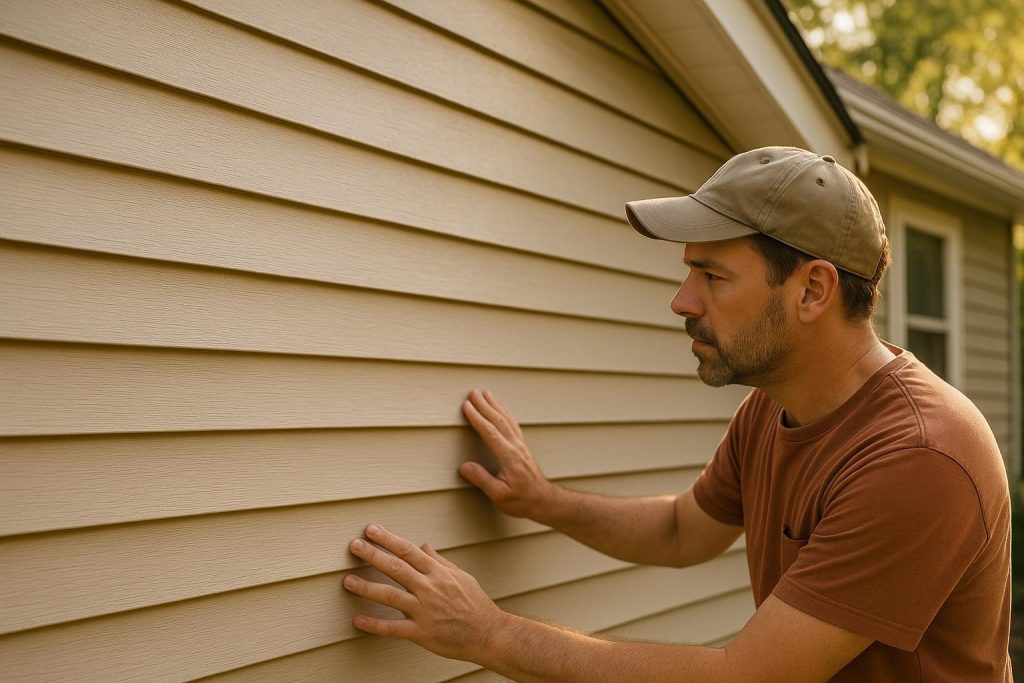
Understanding Siding Repair vs. Replacement for Your Home
Making the right decision between repairing your home’s siding or opting for a complete replacement can be bewildering for many homeowners. On one hand, siding that has a few cracks or faded spots might simply need a small patch or fresh coat of paint. On the other hand, widespread deterioration or moisture damage behind the boards can indicate that it’s time to remove the old cladding entirely. If, like many homeowners, you are unsure which approach is best, understanding the nuances of siding damage, efficiency concerns, and long-term maintenance can help you make an informed choice. In this guide, we’ll explore the main indicators that suggest a repair is sufficient and the key signs that a full replacement is in order. We’ll also look at how siding contributes to energy efficiency, assess potential costs, and discuss practical steps for preventative care. By the end, you’ll be well-equipped to decide on the ideal path for renewing and safeguarding your home’s exterior.
1. Why Siding Matters
Siding is more than just a decorative outer layer—its primary role is to protect your home’s structural components from the harsh elements. By acting as a barrier, siding helps prevent wind, rain, and snow from entering the building envelope, thus avoiding damage to internal walls, insulation, and electrical systems. Furthermore, well-maintained siding adds to your home’s curb appeal, tying together your exterior aesthetics and potentially boosting property value. When siding begins to fail—whether due to cracks, warping, rotting, or any variety of other issues—it can compromise not only your home’s appearance but its overall structural integrity as well.
2. Signs Your Siding Can Be Repaired
Minor siding issues don’t always warrant tearing down large sections of your home’s exterior. In many cases, small localized problems can be remedied with a simple repair. Here are some indications that a repair might be enough:
- Localized cracks or chips: If just a few boards are exhibiting superficial damage—like hairline cracks or minor chips—they can often be patched, filled, or replaced individually without requiring a total overhaul. Small-scale damage that appears in isolated spots typically hasn’t spread to underlying insulation or structure.
- Minor dents or dings: Hailstorms or accidental collisions (like a lawnmower throwing a rock) may leave small dents. As long as these dents haven’t created gaps through which moisture can seep, a repair job or a fresh paint coat can restore the material’s appearance.
- Fading or peeling paint: When siding is structurally sound but appears faded or worn-out, repainting or refinishing might suffice to revitalize its look. This approach is particularly effective with wood-based siding or certain vinyl materials designed for periodic repainting.
- Minor warping in limited areas: Sometimes, a single board can warp due to fluctuating temperatures or improper installation. If this warping hasn’t spread throughout the siding, targeting only the affected panels can solve the problem. The key is to ensure no moisture has penetrated behind the warped board.
By paying attention to these smaller trouble spots early on, you can often expand the life of your existing siding and spare yourself from a more expensive replacement project—at least temporarily.
3. When a Full Replacement Is the Better Option
While siding materials vary in their longevity, there inevitably comes a point in time when repairs no longer suffice. Here are some telltale signs that suggest a more comprehensive replacement is necessary:
- Widespread damage or decay: If large sections of your siding show deep cracks, missing boards, or sagging panels, piecemeal repair efforts can become ineffective. Your home’s exterior will simply continue to degrade if the bulk of the material has passed its prime.
- Persistent moisture problems: Stubborn mold, mildew growth, or a musty odor inside your home usually points to moisture infiltration that has gone beyond surface-level issues. Persistent moisture can rot underlying materials, so a full replacement (and thorough inspection of the structure beneath) is often warranted.
- Compromised interior walls: Peeling paint and wallpaper, soft spots in drywall, or water stains along interior walls near the exterior can indicate deeper and more systemic water intrusion. Once these problems become visible inside, your siding’s protective capacity is seriously diminished.
- Evidence of rotting or pest infestation: Wood rot can spread quickly, weakening boards and undermining the structural integrity of your home. Additionally, pests such as termites or carpenter ants may exploit any compromised siding to infiltrate your home. If you notice significant rotting or active pest colonies, it’s essential to remove and replace the infested areas entirely.
In such cases, attempting patchwork can lead to repeated repairs and expense, leaving your home vulnerable to further damage. Replacing the siding fully allows professionals to inspect and address any hidden structural deterioration, ensuring a more complete solution.
4. The Impact of Old or Damaged Siding on Energy Efficiency
Siding plays a significant role in maintaining a comfortable living environment. It acts as part of the exterior envelope, limiting heat exchange between your indoor spaces and the outdoors. Over time, old or poorly installed siding can develop cracks or gaps that let cold air infiltrate during winter and allow cool air to escape in summer. These leaks can force your HVAC system to work harder, sending your energy bills up.
If you’ve noticed drafts near windows or exterior walls, or if your energy costs have soared in recent years without another identifiable cause, your siding may be to blame. Replacing aging or damaged siding with higher-quality, insulated materials can deliver energy savings, enhance interior comfort, and potentially raise your home’s resale value. While a repair could remedy small areas of inefficiency in some instances, extensive drafts usually signal the need for a more robust solution—full replacement with updated materials that feature modern insulation technology.
5. Important Questions to Ask Before Deciding
If you’re wrestling with the repair vs. replacement question, it helps to conduct a thorough and honest assessment of your siding’s overall state. Here are some questions to consider:
- Are repairs addressing the root issues? If you keep patching cracks and warping yet the siding continues to show new damage in the same areas, deeper underlying issues might remain unresolved.
- What’s your siding’s age and material? If you have older materials near or past their expected lifespan, investing in ongoing repairs may not be as cost-effective as a full overhaul.
- Is there visible water damage inside? Peeling paint, water stains, or mold on interior walls are major red flags. This interior damage often means that moisture is permeating past the siding and into the sheathing or framework.
- Do you plan to sell soon? New siding can provide significant ROI by boosting curb appeal and signaling that the home’s exterior is in solid condition. If you hope to sell in the near future, a replacement may be financially beneficial.
Your answers to these questions can help you cut through the uncertainty and approach your siding project with clarity.
6. Comparing Costs: Repair vs. Replacement
Cost is often a major factor in the repair-or-replace dilemma. Indeed, a quick fix may seem like the budget-friendly route compared to removing and upgrading all the siding. However, the expense of multiple ongoing fixes can stack up over time, especially if damage recurs or spreads. Moreover, older siding might need frequent repainting, which adds significantly to upkeep costs.
On the flip side, a full replacement is a larger up-front investment, but it may provide relief from recurring maintenance expenses and deliver energy savings long-term. Furthermore, choosing modern, more efficient siding materials can lower monthly utility bills and potentially boost your home’s overall market value. In short, comparing immediate repair costs against the cumulative financial benefits of replacement can give you a more comprehensive picture of which approach is truly cheaper over the long haul.
7. Tips for Preventative Maintenance
Whether you decide on a patch-up or a brand-new cladding system, preventative maintenance is crucial. Proper care can significantly extend the life of your siding and protect your investment. Consider the following tips:
- Regular visual inspections: At least once or twice a year, walk around your home and examine the siding for any signs of cracks, peeling paint, mildew, or damage around gutters and downspouts.
- Clean siding properly: Most siding materials benefit from periodic cleaning to remove dirt, pollen, and other contaminants. Use a garden hose and a soft-bristle brush for gentle scrubbing. High-pressure washers can be risky unless used carefully on durable siding types.
- Trim landscaping: Overgrown shrubs, vines, or tree branches can rub against the siding, causing scratches or trapping moisture. Keep your plantings trimmed back to maintain proper airflow around your home’s exterior.
- Address minor damage early: A small crack or a piece of loose siding might not seem urgent, but these minor issues can quickly escalate into more serious concerns. Prompt action can save money in the long run.
- Monitor caulking and seals: Windows, doors, and other openings in your home’s exterior should be tightly sealed. As caulking wears away or cracks, moisture can slip under the siding, leading to damage.
Establishing a routine maintenance plan—or scheduling annual check-ups—goes a long way toward extending the useful life of your siding, whether you recently repaired it or replaced it entirely.
8. Structural Considerations and Long-Term Implications
While siding primarily fends off the elements, it also shields deeper layers of your home from threats like moisture, pests, and temperature fluctuations. When siding fails, the underlying materials—including insulation, sheathing, and framing—can suffer. Over time, water infiltration weakens wooden beams, corrodes metal fasteners, and spurs mold growth, creating a cascading set of problems that can be costly to address. In extreme cases, structural weakening can jeopardize the stability of walls, floors, or roofs.
By proactively upgrading your siding before major failures occur, you reduce the likelihood of expensive structural repairs. In addition, new siding installation offers an excellent opportunity to add or improve insulation, upgrade to moisture-resistant barriers, or replace older windows. These enhancements further secure your home’s thermal envelope, potentially enhancing overall comfort and reducing utility costs.
9. The Value of Professional Evaluations
If you remain uncertain about the scope of your siding’s damage, a professional inspection is a wise step. Trained experts can identify hidden moisture problems, assess your home’s structural health, and calculate potential long-term costs for each approach. Many renovation contractors provide free or low-cost consultations, examining your home thoroughly so you can feel empowered to make the right choice.
Additionally, a professional can discuss siding material options that align with your goals—whether it’s vinyl, fiber cement, wood, or a composite. Each material has advantages in terms of pricing, maintenance, and long-term durability, but they’re not all suited to every climate. Documenting the pros and cons of each material can help you tailor your exterior upgrade to your specific region, style preferences, and budget requirements.
10. Next Steps for a Successful Renovation
Once you decide whether to repair or replace your existing siding, it’s time to plan the actual project. Here are several steps to ensure a smooth experience:
- Define a realistic budget: Factor in both immediate repair or replacement costs and any anticipated future energy savings or reduced maintenance outlays. Depending on how extensive your plans are, consider whether financing options might help.
- Research potential contractors: Select a team with proven experience in siding repair and installation. Ask about warranties, material quality, and overall approach, so you know what to expect.
- Plan for timing: Siding projects are often best done during milder seasons when precipitation is minimal. That said, professionals can work in most weather conditions, so schedule according to availability and convenience.
- Combine with other updates: If replacing your siding, it may be optimal to also upgrade windows, doors, or insulation. Bundling these projects can save time and sometimes reduce overall costs.
- Prepare your home: Clear outdoor items and trim landscaping, so installation crews can easily access all sides of your house. Protect or relocate fragile landscaping features if needed.
With a well-thought-out plan and the right professional guidance, your siding upgrade can significantly enhance not just your home’s appearance, but its comfort, efficiency, and resale potential as well.
11. Seeking Professional Guidance
Siding decisions don’t have to be daunting. Reach out for a professional evaluation if you’re torn between a simple patch job and a complete replacement. A skilled inspector can help you spot hidden problems and project future expenses more accurately. You’ll be equipped with the insight and peace of mind to commit to the best course of action for your home’s exterior. If you’d like to explore more about exterior renovations or other home improvement options, you can visit Home to see how specialized teams approach renovation projects from concept to completion.
12. Final Thoughts
Deciding whether to repair or replace your siding is a balancing act involving factors like the extent of damage, your budget, and the long-term performance of your home. Minor issues such as small cracks, chips, or localized warping often lend themselves to straightforward fixes. But if large sections are compromised or you detect unmistakable signs of moisture intrusion, rotting, or a pest invasion, it may be time to consider a comprehensive replacement. Along the way, remember that siding is not just an aesthetic choice—it’s an investment in your home’s structural integrity, energy efficiency, and comfort.
By examining day-to-day maintenance needs, reflecting on your bigger-picture home goals, and consulting with professionals, you can make a confident decision that extends beyond cosmetic concerns. Whether you choose to repair damaged sections or embark on a full siding overhaul, proactive planning and expert guidance will help your home stay beautiful, efficient, and secure for many years to come.